
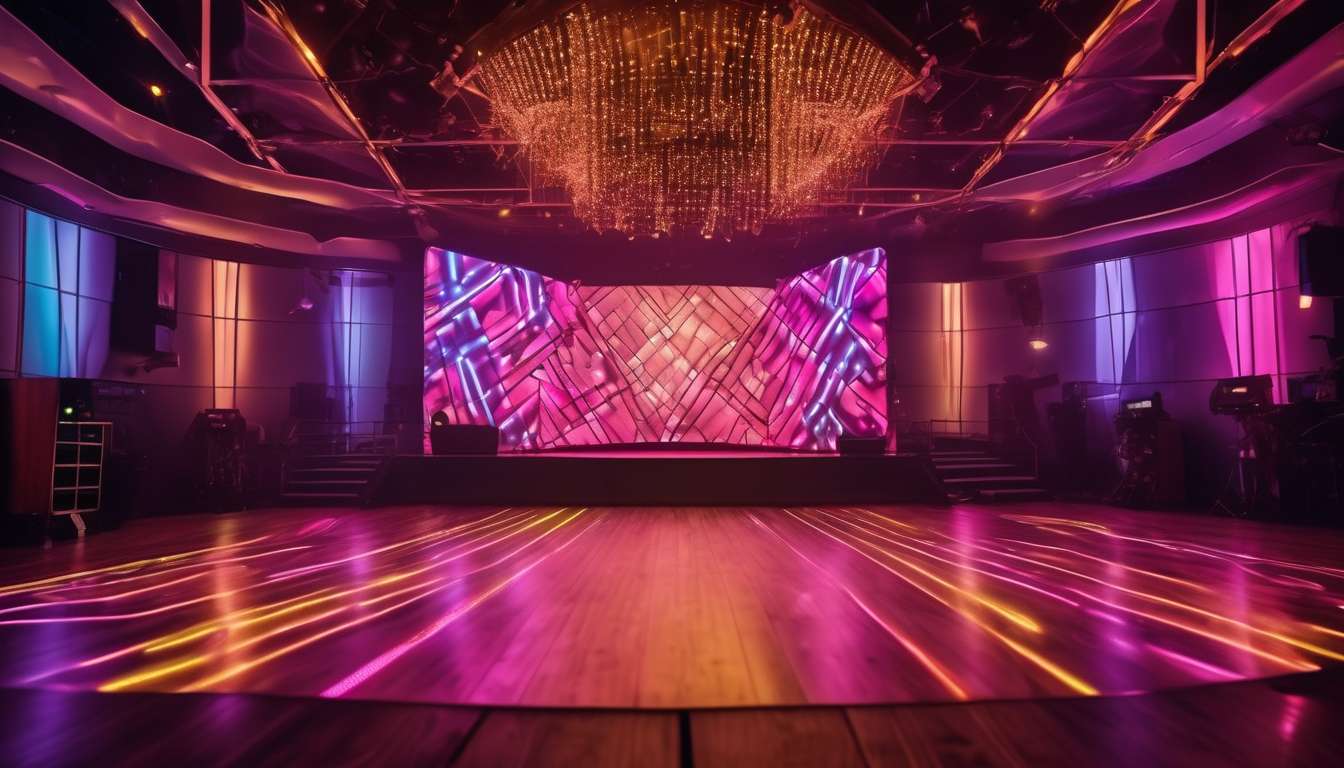
Problem: Our dance venues are losing patrons and efficiency because outdated systems can’t keep pace with modern expectations. We see long ticket lines, manual lighting cues that glitch, sound mixing hampered by inconsistent gear, and staff stretched thin by repetitive tasks. As venue operators, performers, and regular attendees, we recognize that these issues erode the experience and strain budgets.
Thesis: Upgrading networking, lighting controls, ticketing platforms, and audio infrastructure isn’t a luxury — it’s essential to sustain artistic vibrancy and financial viability.
Scope of the article: In this article, we examine how targeted technology investments streamline operations, reduce overhead, and enhance audience engagement.
What we’ll cover:
- Examples of venues that modernized intelligently and the measurable returns they achieved.
- Practical steps for planning upgrades without disrupting programming.
- How aligning technical upgrades with artistic goals creates safer, more reliable, and more immersive spaces where dance can thrive for years to come.
Goal: By aligning technical upgrades with artistic goals, we can create safer, more reliable, and more immersive spaces where dance can thrive for years to come.
Current Operational Challenges
Problem summary: We’re facing frequent audio dropouts, outdated lighting controls, and slow ticketing systems that disrupt show flow and audience experience. This wears on our team and community; when our rhythm’s off, everyone feels it.
Goal: Practical, dependable fixes — not flashy gadgets — that restore smooth events, respect our shared purpose, and let staff focus on performance and hospitality.
High-level solution areas
-
Audio-visual stability
- Replace or repair failing signal-chain components (mixers, stage boxes, multicore snakes).
- Standardize and document clear signal paths so troubleshooting is fast.
- Add redundancy for critical links (dual paths for FOH to stage or backup microphones).
-
Lighting control modernization
- Migrate from legacy controllers to modern control surfaces with familiar layouts.
- Consolidate DMX/RDM addressing and label fixtures for quick identification.
- Ensure power and data runs are reliable (clean power, properly terminated cables).
-
Venue connectivity
- Improve wired network backbone (gigabit switches, VLANs for AV traffic).
- Provide dedicated, isolated networks for consoles and ticketing hardware.
- Implement network monitoring and clear IP addressing so devices “talk” reliably.
-
Streamlined, automated ticketing
- Adopt ticketing software that integrates patron profiles and supports mobile/barcode entry.
- Automate entry scanning and reduce manual verification to cut lines.
- Integrate sales data with front-of-house staffing to plan peak needs.
Implementation priorities (quick wins first)
-
Stabilize audio for immediate impact
- Replace worn cables and faulty connectors.
- Verify grounding and stage power to eliminate hums and dropouts.
- Train one tech on quick-swap procedures for mic/DI failures.
-
Improve ticket flow the same week
- Enable mobile tickets and barcode scanners at doors.
- Reconfigure entry points and assign one staffer to troubleshooting scanners.
-
Upgrade lighting controls within a short project
- Move to a modern console that staff can learn in a few sessions.
- Re-map scenes and store presets to speed cues.
-
Harden network and device integration
- Segregate AV and public Wi‑Fi; give consoles static IPs and reserve DHCP for ticketing kiosks.
Training and adoption
- Run brief, focused hands-on sessions when each system is deployed.
- Create one-page quick-reference checklists for common failures (audio dropout, lost DMX, scanner error).
- Appoint a tech lead for each domain (Audio, Lighting, IT/Ticketing) as a single point of contact.
Expected outcomes
- Faster troubleshooting and fewer interruptions to shows.
- Shorter entry lines and reduced staff stress.
- Crew confidence with systems they can operate and maintain.
- A venue that reliably welcomes performers and audiences.
If you want, I can turn this into a prioritized project plan with estimated costs, a phased timeline, and a short equipment checklist for each area. Which would help most next: a budgeted equipment list, a 30/60/90-day timeline, or training/playbook templates?
Networking and Connectivity
Reliable, segregated networking is the backbone of stable AV, ticketing, and front‑of‑house operations.
Priority: wired gigabit backbone, VLANs, and simple monitoring.
- Wired gigabit backbone for predictable throughput and low latency.
- VLANs to separate AV, ticketing, and public Wi‑Fi/point‑of‑sale traffic.
- Lightweight monitoring to keep devices communicating predictably and to surface issues early.
Design for inclusion and simplicity.
- Build connectivity so staff, performers, and volunteers share a system that “just works.”
- Clear, documented procedures so non‑technical team members feel empowered to participate.
Isolation to reduce latency and interruptions.
- Isolate AV traffic from public Wi‑Fi and POS systems to minimize interference and latency spikes.
- This reduces interruptions that can break the flow of a night.
Robust hardware and labeling for calm troubleshooting.
- Deploy managed switches and redundant uplinks for resilience.
- Implement clear cable labeling and simple physical layouts so anyone can troubleshoot calmly.
Monitoring, alerts, and documented failover.
- Network monitoring dashboards to alert staff before issues affect service.
- Documented failover steps so everyone knows what to do during an incident.
Support for ticketing peripherals and PoE devices.
- Reserve bandwidth for automated ticketing peripherals that need reliable links.
- Use Power over Ethernet (PoE) where appropriate to simplify deployments and power management.
Outcome: predictable operations and a trusted crew.
- This approach keeps operations predictable, empowers staff with straightforward procedures, and builds trust across the crew so every event runs smoother and everyone feels part of the solution.
Modern Ticketing Systems
Modern ticketing systems streamline sales, reduce entry bottlenecks, and provide real-time data to make smarter staffing, capacity, and revenue decisions.
We’ve adopted automated ticketing that lets patrons buy, transfer, and validate tickets on their phones.
- This speeds up lines and allows our team to focus on hospitality instead of manual checks.
- It improves the guest experience by minimizing wait times.
Integrated venue connectivity ties ticketing to door sensors and staff apps.
- Alerts notify staff instantly when capacity thresholds are approaching.
- This helps us reassign personnel where they’re needed most to maintain safety and service levels.
We sync ticketing platforms with access control to reduce fraud while preserving seamless entry for friends and regulars.
- Fraud prevention measures are balanced with features that allow trusted patrons easy access.
- This maintains security without creating new barriers at the door.
Reporting dashboards reveal which nights bring our community together, so we can plan events that reflect audience preferences.
- Data-driven scheduling increases attendance and community engagement.
- Insights inform marketing and programming decisions.
By connecting ticket sales to concessions and audio-visual planning, we can forecast demand for enhanced experiences and budget accordingly.
- Sales patterns inform concession inventory and staffing.
- Ticketing trends guide investments in AV upgrades and experiential enhancements.
Together, these tools make our venue more welcoming, efficient, and responsive to the community we’re building — without creating new barriers at the door.
Upgraded Lighting Controls
We upgraded lighting controls to provide precise, programmatic control over intensity, color, and timing.
This lets us shape mood, save energy, and respond instantly to performances or crowd needs.
We tied lighting controls into the venue connectivity backbone.
That synchronization links lighting scenes with door status, lobby displays, and event schedules.
We use those connections to create coordinated transitions from arrival to peak moments.
- Coordinated with automated ticketing check-ins for welcoming arrivals.
- Aligned with on-floor cues to reinforce shared experiences for regulars and newcomers.
We standardized protocols so technicians and volunteers can call up presets quickly.
This reduces errors and increases consistency across shows.
The system logs usage data.
That data lets us optimize energy use and plan maintenance cycles without guesswork.
We integrated lighting with broader audio-visual upgrades to keep the project lean and interoperable.
This prevents siloed systems that isolate staff or audiences.
We designed controls to be intuitive and reliable.
- The aim is to ensure the technical side supports — not distract from — the communal joy of dance.
- Result: a space where everyone feels included and confident.
Audio and Sound Infrastructure
We upgraded our sound system to deliver clear, even coverage and flexible control.
Key audio improvements:
- Tuned speaker zones for consistent coverage across the room.
- Added subwoofer management to control low‑end energy and balance.
- Implemented Dante networking to ensure reliable digital audio connectivity between stages and lounge areas.
Operational benefits of the audio upgrades:
- Crew can route feeds instantly and monitor levels remotely.
- Troubleshooting can occur before the room fills, reducing on‑the‑fly issues.
- These capabilities help performers and staff feel supported and confident.
We paired the audio upgrades with simplified front‑of‑house consoles and headset integration.
Benefits of workflow standardization:
- Engineers and artists share a common workflow, making setup and transition smoother.
- Consistency strengthens community: staff, residents, and newcomers know how to plug in and perform.
- Standardized gear and joint training reduce friction and onboarding time.
We integrated sound control with venue systems to automate coordination.
Systems tied together:
- Lobby displays and automated ticketing sync set times and announcements with sonic presets.
- This reduces manual handoffs and the risk of miscommunication.
Overall result:
By standardizing gear, training together, and keeping interfaces intuitive, we’ve made the room welcoming, reliable, and artist‑friendly — a place where collective creativity and operational ease coexist.
Automated Backstage Workflows
We’ve automated key backstage workflows to streamline load‑ins, cueing, and crew communications so teams can focus on the show instead of busywork.
We integrate venue connectivity across door locks, stage lighting, and comms so everyone shares the same, real‑time status.
- Inventory checklists trigger when trucks arrive.
- Digital manifests route tasks to specific crew members so no one duplicates work.
Our systems tie automated ticketing to access control: once a performer or tech scans a credential, backstage zones update permissions and call relevant cues.
- That reduces handoffs and helps us welcome collaborators as part of our crew, not outsiders.
- Audio‑visual upgrades are mapped into the same control layer, so sound checks, video playlists, and lighting scenes run from unified dashboards.
We keep interfaces simple and consistent, because belonging grows when tools don’t get in the way.
- By reducing friction, we free time for creative collaboration.
- We ensure every team member feels trusted, informed, and essential to the performance.
Staff Training and Support
We’ll train every staff member on our unified systems and provide ongoing, role-specific support so everyone can operate confidently and resolve issues without slowing the show.
Hands-on mentorship sessions.
- We’ll run hands-on sessions that pair seasoned crew with new hires, creating a mentorship loop where troubleshooting skills and best practices spread naturally.
Core training topics.
- Training covers venue connectivity checks, password management, and network-failover steps so front-of-house and back-stage teams share the same playbook.
Box office and door staff focus.
- For box office and door staff, we’ll focus on automated ticketing workflows, scanning, refunds, and exceptions handling so patrons feel welcomed and supported.
Technical team labs.
- Technical teams get focused labs for audio-visual upgrades, cueing, and quick diagnostics so performances stay seamless.
Accessible documentation and support.
- We’ll document concise cheat sheets, short video guides, and a dedicated help line staffed by peers during events.
Cross-role drills and ownership clarity.
- Regular cross-role drills build trust and clarify who owns what when problems pop up.
By investing in inclusive, practical training and real-time support, we’ll keep our crew connected, confident, and proud to run every night together.
Measuring ROI and Impact
We’ll track specific metrics and calculate returns so we can prove how upgrades affect revenue, costs, and attendee experience.
We’ll measure baseline attendance, average spend, check-in times, and system uptime before and after implementing venue connectivity, automated ticketing, and audio-visual upgrades.
We’ll assign clear KPIs:
- Ticket throughput per hour
- Payment failure rate
- AV downtime minutes
- Net Promoter Score for attendees
We’ll log cost savings from reduced staffing needs and faster turnaround, then compare them to capital and maintenance expenses to calculate payback period and ROI.
We’ll run A/B tests when possible — one night with legacy systems, one with upgrades — so our community sees concrete improvements in flow and atmosphere.
We’ll share transparent reports with staff and regulars, inviting feedback and suggestions for refinement.
By quantifying benefits and involving the team, we’ll make sure technology strengthens both our operations and our sense of belonging, so everyone feels invested in continued improvement.
What are the estimated upfront and ongoing cybersecurity risks specifically introduced by connected lighting and audio systems, and what baseline measures should venues implement immediately to mitigate them?
Upfront cybersecurity risks (initial/installation phase)
Insecure default credentials. Many lighting and audio devices ship with default or hard-coded usernames and passwords that are widely known and rarely changed.
Exposed management interfaces. Devices often expose web UIs, SSH, Telnet, or vendor cloud endpoints that, if reachable or poorly configured, allow attackers direct control.
Supply-chain vulnerabilities. Compromise or tampering during manufacturing, distribution, or third‑party firmware/components can introduce backdoors or malicious code before deployment.
Hardware/software provenance and integrity. Lack of provenance or code signing increases the chance of deploying compromised firmware or components.
Ongoing cybersecurity risks (post-deployment / operational phase)
Firmware vulnerabilities and unpatched flaws. Bugs discovered after deployment can be exploited if patching is slow or impossible for certain devices.
Lateral movement within the network. Compromised devices can be used as footholds to reach other sensitive systems (control servers, AV management, corporate networks).
Data leakage and exfiltration. Control traffic, logs, or audio/visual streams may contain sensitive information if not properly protected.
Misconfiguration drift and credential sprawl. Over time credentials, ACLs, and network rules can diverge from secure baselines, increasing exposure.
Third‑party/cloud service risks. Dependencies on cloud management or vendor services introduce availability and privacy risk if those services are breached or misconfigured.
Immediate baseline controls to implement (minimum viable security posture)
Network segmentation and isolation
- Place lighting and audio devices on separate VLANs/subnets isolated from corporate and critical control networks.
- Apply firewall rules restricting inbound/outbound traffic to only required management and control endpoints.
Strong authentication and credential hygiene
- Replace default/hard‑coded credentials with strong, unique passwords per device or use centrally managed secrets.
- Apply multi‑factor authentication (MFA) for access to management consoles and vendor cloud portals where supported.
Patch and firmware management
- Maintain an inventory of devices and firmware versions.
- Apply vendor security updates and patches on a defined schedule; prioritize critical fixes.
Device inventory and asset management
- Continuously discover and record all connected lighting and audio endpoints, including manufacturer, model, firmware, and network location.
- Tag devices by risk/criticality and track ownership and support status.
Encrypted control channels and data protection
- Use TLS/DTLS, SSH, or VPNs for management and control traffic where supported.
- Encrypt sensitive streams and logs in transit and at rest when feasible.
Least privilege and secure configurations
- Disable unused services (Telnet, UPnP, open debug ports) and limit management interfaces to trusted hosts.
- Use role‑based access control (RBAC) on management platforms and limit admin privileges.
Monitoring, logging, and detection
- Centralize logs and monitor for anomalous device behavior, unexpected firmware changes, or unusual traffic patterns.
- Implement network intrusion detection for lateral movement and protocol misuse.
Supply‑chain and procurement controls
- Procure from reputable vendors with secure development practices and firmware signing.
- Validate firmware integrity and require update mechanisms that support authenticity checks.
Periodic validation and audit
- Conduct periodic vulnerability assessments and penetration tests that include lighting/audio systems.
- Perform configuration audits and credential reviews on a scheduled cadence.
Operational practices to sustain security
Change control and configuration backups. Maintain documented change procedures and backups so misconfigurations can be rapidly reverted.
Vendor management and SLAs. Require security support SLAs, timely patch notifications, and transparent vulnerability disclosure from vendors.
Incident response planning. Include lighting and audio assets in the IR plan, with playbooks for device compromise, network isolation, and forensic capture.
User and operator training. Train AV/IT staff on secure provisioning, patching, and detection of anomalous device behavior.
Immediate next steps (practical short list to act on within 30–90 days)
- Build a complete device inventory and map network locations.
- Replace defaults and rotate credentials; enable MFA where possible.
- Segment devices into isolated VLANs and apply restrictive firewall rules.
- Establish or confirm patch/firmware update processes and prioritize critical CVEs.
- Enable centralized logging and basic monitoring for anomalies.
Implementing these baselines will significantly reduce the most common upfront and ongoing risks while providing a foundation for more advanced controls (e.g., network access control, device attestation, zero‑trust segmentation) as the environment matures.
How do data privacy laws (such as GDPR or CCPA) affect the collection and storage of patron information through modern ticketing systems and venue apps, and what concrete steps must be taken to stay compliant?
We will comply with privacy laws (e.g., GDPR, CCPA) when collecting patron data via ticketing and apps.
Key principles:
- Data minimization: Collect only the personal data strictly necessary for the purpose.
- Clear consent: Obtain explicit, informed consent where required and record consent choices.
- Purpose limitation: Explain specific purposes for data collection and avoid secondary uses without a lawful basis.
- Individual rights: Offer access, correction, and deletion (erase) rights, and a simple way to exercise them.
Security and records:
- Secure storage: Protect data at rest and in transit using appropriate technical measures (e.g., encryption).
- Processing records: Maintain records of processing activities and legal bases.
- Third‑party sharing: Limit sharing, put contracts in place (data processing agreements), and conduct due diligence on vendors.
- DPIAs: Perform Data Protection Impact Assessments for high‑risk processing activities.
Operational controls:
- Staff training: Train staff on privacy, data handling, and breach response procedures.
- Retention schedules: Define and enforce retention and deletion schedules for personal data.
- Privacy lead: Appoint a privacy lead or officer to handle requests, supervise compliance, and manage breaches.
What financing or leasing options exist for small to mid-sized venues that cannot afford full capital upgrades, and how do lease-to-own, energy performance contracts, or equipment-as-a-service agreements typically compare in cost and flexibility?
We’re weighing financing and leasing options when full capital upgrades aren’t possible.
Options:
- Lease-to-own — Predictable payments with eventual ownership.
- Energy performance contracts — Payments funded by measured energy savings, but require long-term guarantees.
- Equipment-as-a-service — Subscription-based model with included maintenance and greater flexibility.
Comparison criteria:
- Total cost — Compare lifetime expenditures (payments, interest, savings).
- Contract length — Shorter vs. longer commitments affect flexibility.
- Upkeep responsibilities — Who handles maintenance and repairs.
- Exit options — Early termination, transferability, or buyout terms.
Decision goal:
Choose a blend that preserves cash flow while enabling modernization. Consider mixing models across assets (for example, lease-to-own for critical items you’ll keep, EaaS for rapidly evolving technology) to balance ownership, risk, and flexibility.
Conclusion
You’re seeing clear gains from tech upgrades across your dance venues.
Better networking and ticketing streamline entry and revenue.
Modern lighting and audio sharpen performances.
Automated backstage systems cut prep time and reduce errors.
Staff training ensures smooth adoption.
Track key metrics to measure ROI and guide future investments:
- Attendance.
- Ticket revenue.
- Downtime.
- Customer feedback.
With ongoing support, these improvements will keep audiences engaged and operations running efficiently.