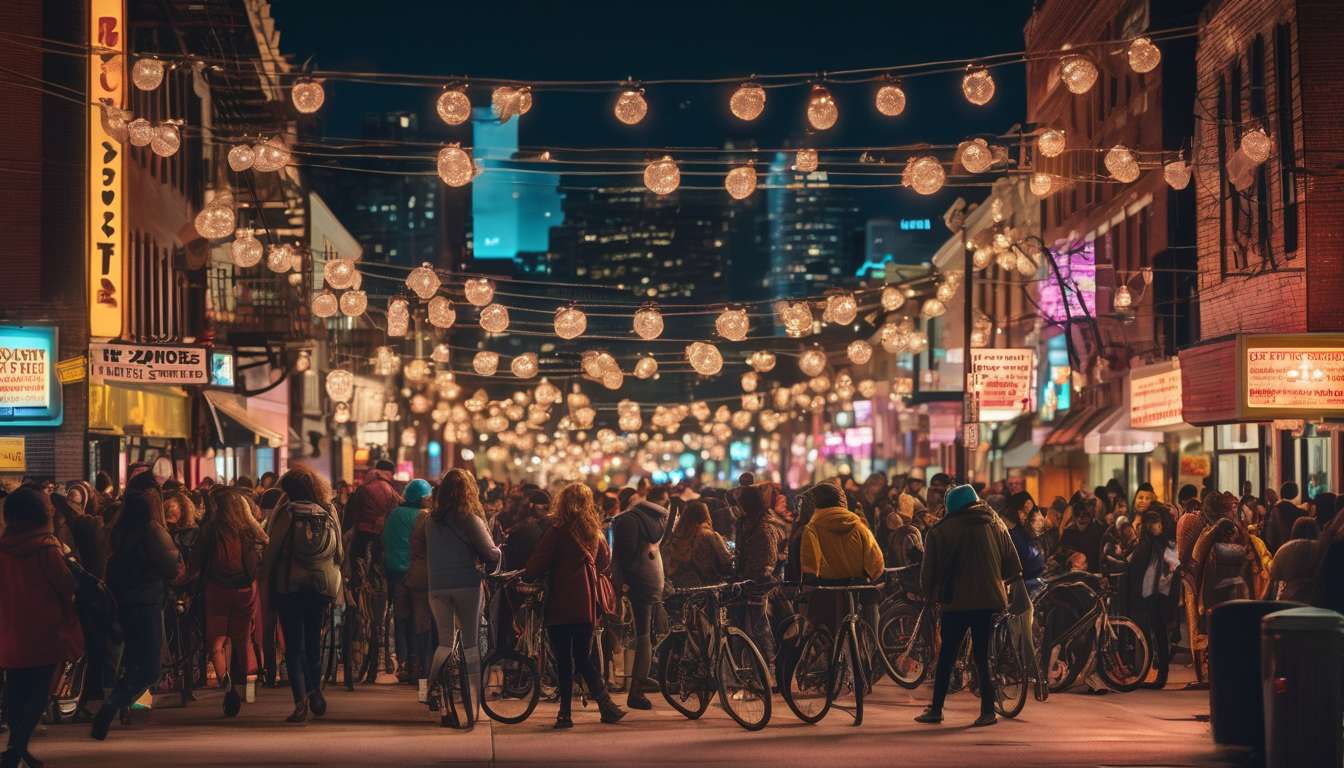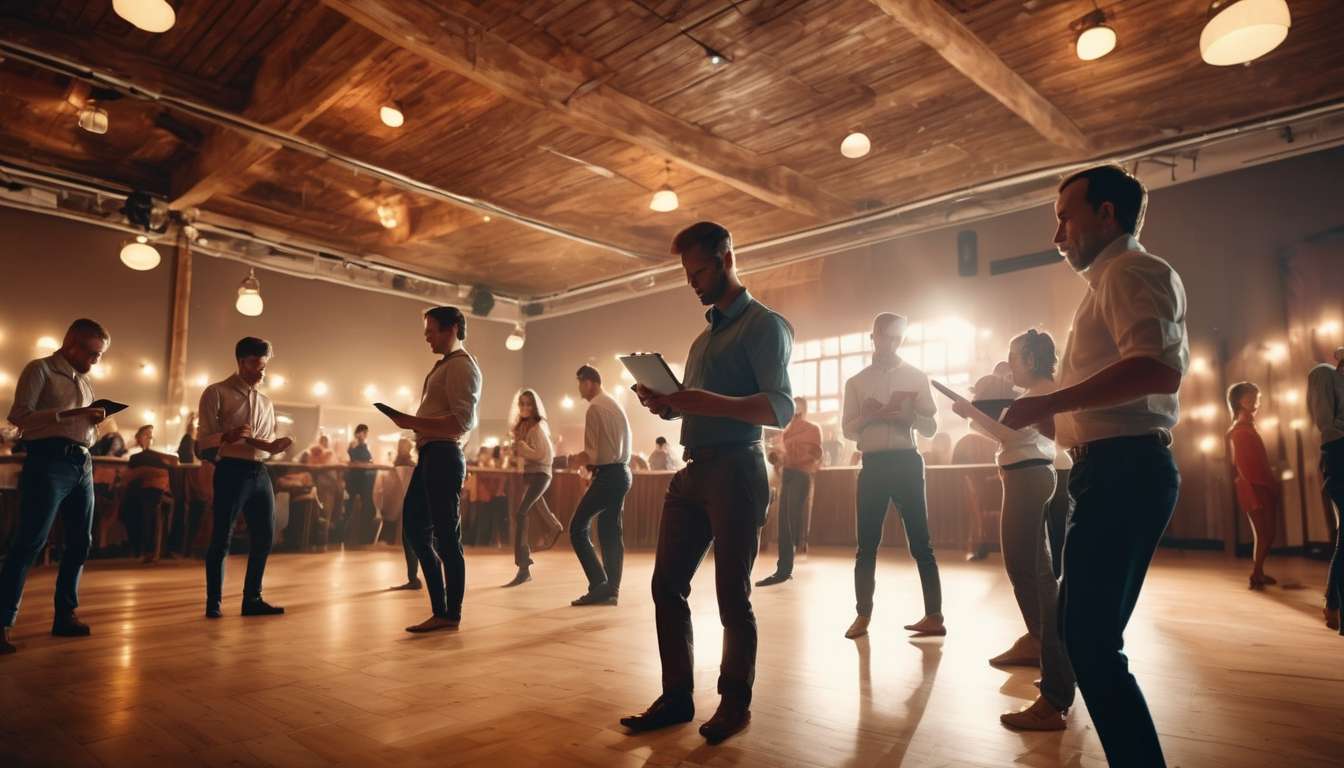
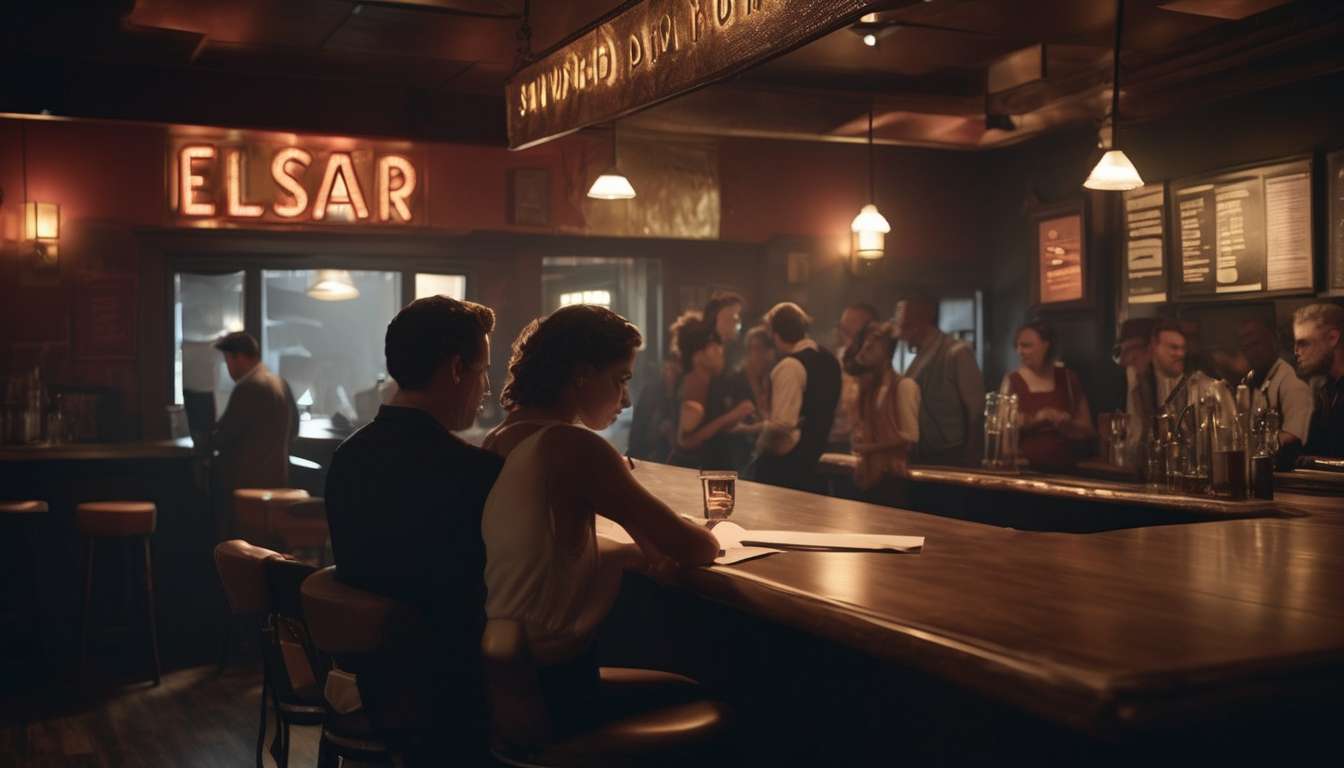
Rising through the night like a slow, stubborn tide, regulations meant to steady our stages are reshaping the way we host music, movement, and community.
"Dance is the hidden language of the soul," we often say, but now that language must be translated into forms, permits, and compliance checklists that were never designed with improvisation in mind.
As venue operators, artists, and promoters, we find ourselves negotiating a landscape where licensing reforms intended to improve safety and accountability instead create new complexities:
- altered operating hours
- increased costs
- tighter noise controls
- stricter occupancy rules
These changes ripple outward—affecting rehearsal schedules, booking choices, and the very character of our spaces.
We must balance legal duty with artistic freedom, safeguarding patrons while preserving the spontaneity that makes live dance vibrant.
This introduction examines how the recent policy shifts challenge our practices and what collaborative responses could help us keep dance venues alive and accessible.
Policy changes overview
Summary of recent licensing reforms affecting dance venues
Overview of reforms:
We’re seeing licensing reforms that tighten permit requirements, clarify enforcement roles, and introduce clearer standards for community impact.
Purpose and approach:
We want to keep our venues vibrant, so we’re working together to interpret new criteria for capacity limits, record-keeping, and public safety measures.
Noise control:
The changes elevate noise control as a formal compliance factor, requiring:
- documented mitigation plans
- routine monitoringto prevent disputes with neighbors.
Collaboration and best practices:
We’ll collaborate with local authorities and fellow venue operators to share best practices for:
- soundproofing
- community liaison programs
Translating policy into practice:
While policy texts can feel technical, we’ll translate requirements into practical steps, including:
- Checklists
- Staff training
- Vendor agreementsto reduce uncertainty and protect our shared spaces.
Commitment and outcome:
We’re committed to maintaining inclusive, welcoming dance floors while meeting regulatory expectations. By staying organized and cooperative, we’ll navigate these reforms without sacrificing the sense of community that keeps our venues alive.
Impact on operating hours
Overview of changes and required documentation
We’ll review how the new rules change when we can open and close, how often we can host late-night events, and what documentation we must keep to justify extended hours. Licensing reform redefines permissible operating hours and ties extensions to demonstrable noise-control plans. Together, we’ll map our regular schedule against permit windows, identify peak nights that may need special approval, and log incident reports and neighbor communications as supporting records.
Compliance actions and recordkeeping
We’ll coordinate shifts so staff know curfews and contingency steps when enforcement checks occur. By sharing templates for noise-control assessments and jointly tracking applications, we’ll make the process less isolating.
- Prioritize consistent recordkeeping, including:
- decibel readings,
- sound-limiter certifications,
- community engagement notes,
- incident reports and neighbor communications.
Collective strategy to protect late-night culture
If we act as a united group, we can protect our late-night culture while respecting neighbors and regulators. A coordinated approach strengthens requests for later closing times and helps keep our venues open and our community included in every step of compliance.
Rising compliance costs
Many venues face higher costs from new compliance requirements.
We’ll need to budget for permits, equipment upgrades, and additional staff time. Licensing reform aims to standardize safety and community expectations, but it shifts real expenses onto our teams. This includes permit fees, consultant charges to interpret rules, and one-off investments like sound monitoring devices. We’ll plan training sessions so staff can manage new reporting duties without burnout.
As a community, we will share strategies to spread costs.
- Group purchasing to lower unit prices for equipment and supplies.
- Pooled legal advice to reduce per-venue consulting fees.
- Cooperative scheduling to limit overtime tied to extended operating hours.
We will track finances and set aside contingency funds.
This means monitoring invoices closely and reserving funds so surprises don’t destabilize smaller venues.
Open communication across our network will help identify outside support.
- Grants and low-interest loans.
- Local partnerships and sponsorships.
- Collaborative advocacy to influence policy or secure exemptions.
By coordinating, advocating, and budgeting transparently, we protect our spaces.
These steps will help keep venues vibrant despite the financial pressures of reform.
Noise control implications
Many of our venues will need to invest in sound mitigation, monitoring, and staff training to meet new limits while keeping events viable.
We’re facing licensing reform that tightens acceptable noise levels and can affect operating hours, so we need practical, shared responses.
Priority actions:
- Acoustic treatments. Invest in insulation, absorptive panels, and other physical measures to reduce sound leakage.
- Adjustable speaker zoning. Configure speaker systems so levels can be reduced in sensitive directions or rooms without ruining the event.
- Clear on‑floor protocols. Train staff to handle complaints quickly and respectfully, with step-by-step actions they can follow.
Monitoring and evidence:
- Reliable monitoring tools. Adopt devices that log sound levels and timestamps.
- Documented compliance. Use logs to provide evidence when regulators or neighbors raise concerns.
Coordination and advocacy:
- Work with local venues. Coordinate to push for sensible enforcement windows that reflect nightlife realities while protecting residents.
- Shared resources. Pool knowledge and equipment to reduce individual costs and improve consistency.
Training components:
- De‑escalation. Teach staff techniques to calm situations and engage complainants respectfully.
- Technical adjustments. Train staff on how to quickly change sound settings and zoning.
- Scaling back programming. Define thresholds and steps for when to reduce volume or change programming without undermining community trust.
By working together and sharing resources, we’ll keep spaces welcoming and resilient.
This approach makes compliance manageable, preserves our identity, and shows we’re committed to being good neighbors as licensing reform reshapes noise control expectations and operating hours.
Occupancy and capacity rules
We need clear, realistic occupancy and capacity rules that protect safety without forcing venues to close prematurely or lose their character.
Licensing rules should be explainable and inclusive — so everyone in our community feels safe, welcomed, and not alienated.
Capacity standards must reflect actual layouts and fire-safety limits of dance floors, bars, and lounges, rather than relying on arbitrary headcounts that risk squeezing our identity.
We will work with regulators using evidence-based methods to manage occupancy and peak times with dignity:
- Use occupancy calculations based on floor plans, usable circulation space, and fire-safety standards.
- Implement clear, visible signage showing capacity limits and entry/exit paths.
- Provide staff training on monitoring crowding, staged entry, and safe evacuation procedures.
- Employ documented procedures for peak times (e.g., queueing systems, timed entry, reservation controls).
This evidence-based approach also helps with noise control.
- Controlling crowd flow and entry reduces sudden surges that push sound levels higher and disturb neighbors.
- Managed entry and circulation reduce bottlenecks that create loud congregations near exterior doors and windows.
Capacity and operating-hour rules should be harmonized.
- Capacity limits must allow responsible late-night operation so venues aren’t penalized for managing crowds responsibly.
- Licensing conditions should permit operational flexibility when safe mitigations (e.g., additional staff, staggered entry) are in place.
The goal: policies that keep people safe, preserve the social heart of our spaces, and support sustainable, welcoming nightlife.
Licensing reform should therefore prioritize:
- Evidence-based occupancy calculations tied to physical layout and fire codes.
- Clear signage and staff training for dignified crowd management.
- Flexible licensing conditions that align capacity rules with sensible operating hours.
Together, these measures protect safety without shrinking the character and vitality of our venues.
Effects on programming
Changes to capacity and crowd-management rules will directly shape what kinds of events we can program, how long they run, and how we balance experimental nights with reliable income-generating shows.
We’re facing licensing reform that ties capacity limits to stricter safety and noise control requirements, and that forces us to rethink lineups and schedules.
We’ll prioritize sets and formats that fit revised operating hours.
- Fold shorter showcases into weekly calendars.
- Stagger set times so artists still get stage time while we stay compliant.
We’ll curate bills that mix familiar draws with emerging acts to protect revenue without sidelining risk-taking projects.
We’ll also redesign transitions, entry flows, and monitored spaces so crowd size doesn’t trigger breaches of our license.
By doing this together — staff, artists, regulars — we’ll keep the venue vibrant and lawful.
Our programming will become more intentional:
- Planned to meet new rules.
- Transparent about start and end times.
- Welcoming so the community knows we’re protecting everyone’s access to the dance floor.
Community and artist responses
Many community members and artists are already voicing practical concerns and creative ideas about how we’ll adapt our shows, schedules, and crowd practices.
We’ve gathered in meetings, online forums, and informal gatherings to share experiences and reassure one another that we’re not alone in this.
Our conversations focus on the immediate impacts of licensing reform on our livelihoods and shared spaces, and we’re careful to listen to neighbors as well as performers.
We’re asking clear questions about noise control standards, acceptable decibel levels, and how changes to operating hours will affect rehearsal time and late‑night culture.
- We want guidance that’s predictable and fair so we can plan seasons and honor commitments to artists and audiences.
- We’re seeking transparent enforcement practices and appeal processes.
At the same time, we’re building networks of mutual support — sharing technical tips, legal resources, and contacts — so smaller venues and emerging artists won’t be sidelined.
- This includes pooling expertise on soundproofing, booking adjustments, and crowd-management best practices.
- It also includes connecting people to pro bono legal advice and funding opportunities.
Our hope is to keep creating together while ensuring venues remain welcoming parts of their communities.
We aim to balance artistic vitality with neighborly good will so cultural life can continue to thrive.
Strategies for adaptation
We’ll prioritize practical, measurable steps—like staged soundproofing, adjusted set times, and shared staffing—to keep shows running while meeting new rules.
- Staged soundproofing (phased upgrades to windows, doors, and wall/ceiling treatments).
- Adjusted set times (predictable curfews with flexible transition windows).
- Shared staffing (cross-trained crews rotating across venues to reduce overhead).
We’ll form working groups so everyone has a role: venue managers, DJs, promoters, and neighbors.
- Working groups with clear roles and meeting schedules.
- Regular inclusion of neighbors and local stakeholders to maintain trust and fast conflict resolution.
Together we’ll map vulnerabilities, estimate costs, and sequence interventions that balance artistic needs with licensing reform requirements.
- Venue audits to identify noise, ventilation, and crowd-control weak points.
- Cost estimates and phased budgeting for short-, medium-, and long-term interventions.
- Prioritized intervention sequencing that preserves core programming while reducing regulatory risk.
We’ll negotiate clear agreements on operating hours that protect late‑night culture while offering predictable windows for neighbors.
- Written agreements or memoranda of understanding with local community groups and licensing bodies.
- Built-in review periods tied to measurable outcomes (noise complaints, incident reports).
We’ll adopt transparent noise control protocols: calibrated monitors, decibel thresholds, and escalation steps when limits are approached.
- Calibrated sound meters with clear placement guidelines.
- Agreed decibel thresholds and time-weighted limits.
- Escalation protocol (warning → level reduction → temporary pause → corrective action).
We’ll cross‑train staff so crews rotate across shows, reducing overhead and spreading expertise in compliance.
- Training modules for sound, crowd management, and compliance procedures.
- Shared staff rota to cover peak nights and reduce single-venue staffing costs.
We’ll also create template applications and shared legal resources to navigate permit changes faster.
- Standardized permit/application templates and checklists.
- Shared access to legal summaries and precedents for common licensing issues.
By coordinating pooled purchases—ventilation upgrades, acoustic panels—we’ll lower costs and increase quality.
- Bulk procurement agreements and preferred-vendor lists.
- Shared installation planning to minimize downtime and costs.
We’ll hold regular check‑ins to review data, adjust approaches, and celebrate wins.
- Monthly or quarterly performance reviews using measurable indicators (complaints, noise readings, attendance, incident reports).
- Publicly shared progress updates to maintain accountability and morale.
In doing this, we’ll stay resilient, keep community ties strong, and ensure our spaces remain vibrant under new licensing reform realities.
How will licensing reforms affect insurance requirements and premiums for dance venues?
Summary of expected impacts from licensing reforms on insurance for dance venues
Stricter coverage mandates and higher liability limits.
We’ll likely face stricter coverage mandates and higher liability limits, including new event-specific endorsements required by regulators.
Premiums will rise.
Insurers will raise premiums as they price the increased regulatory and crowd-risk exposure associated with the reforms.
Actions venues must take.
- Renegotiate policies with insurers to align coverage with new requirements.
- Document and implement safety measures to demonstrate risk mitigation.
- Invest in risk management (training, security, crowd-control infrastructure) to help limit premium increases.
Community approaches to manage cost and compliance.
- Lean on community support and shared resources (joint training programs, pooled insurance options, coordinated safety standards).
- Share documentation and best practices across venues to reduce compliance costs and improve negotiating leverage with insurers.
What legal liabilities could venue owners face if subcontractors (e.g., security, sound engineers) fail to meet new licensing standards?
Concern about responsibility if subcontractors fail to meet new licensing standards.
Potential consequences: fines, license suspension, and in severe cases, criminal liability.
Need to demonstrate due diligence in hiring and supervision.
Actions to limit vicarious liability:
- Verify credentials and licensing before engagement.
- Implement ongoing supervision and compliance monitoring.
- Keep written records of checks, training, and performance reviews.
Risk-transfer and recovery strategies:
- Pursue indemnities in subcontractor agreements.
- Obtain and enforce contractual insurance requirements.
- Seek insurance recoveries where possible.
Collaborative measures to support compliance:
- Use clear, consistent contracts that allocate responsibilities.
- Share compliance practices and coordinate oversight among parties.
Are there new documentation or record-keeping practices venues must adopt to demonstrate compliance during inspections?
Records purpose and accessibility
We need clear, accessible records to show compliance during inspections. Keep records in both digital and hard-copy formats so inspectors can access what they need in the format they prefer.
Primary documents to retain
- Signed contracts and proof of subcontractor licenses
- Staff training logs
- Incident reports
- Equipment maintenance schedules
- Permits
Recordkeeping controls
- Timestamp all entries to show when information was recorded.
- Use version control for policy and procedure documents.
- Maintain audit trails for payments and communications.
Retention and sharing
- Set retention schedules aligned with regulator requirements.
- Make records easy to share with inspectors to support transparency, trust, and a sense of belonging.
Conclusion
You’re facing a tricky moment as licensing reforms reshape how dance venues operate.
Balance tighter hours, higher compliance costs, and new occupancy limits while keeping programming vibrant and noise controlled.
Expect pushback from artists and neighbors, but you can adapt by:
- revising schedules to comply with new hours and to stagger performances, minimizing late-night noise and crowding
- investing in soundproofing and acoustic treatments to reduce complaints and widen permissible operating hours
- strengthening community ties through outreach, transparent communication, and joint events to build local support
If you act proactively you can protect your space and keep live dance culture thriving by:
- Advocating — engage with local authorities, join venue coalitions, and push for reasonable regulations or exemptions.
- Diversifying revenue — add daytime programming, workshops, partnerships, and grants to offset higher costs.
- Updating safety and compliance practices — revise capacity management, staffing, emergency plans, and documentation to meet new rules.
Take these steps now to reduce risks, limit conflict, and ensure your venue continues to host vibrant live dance performances.