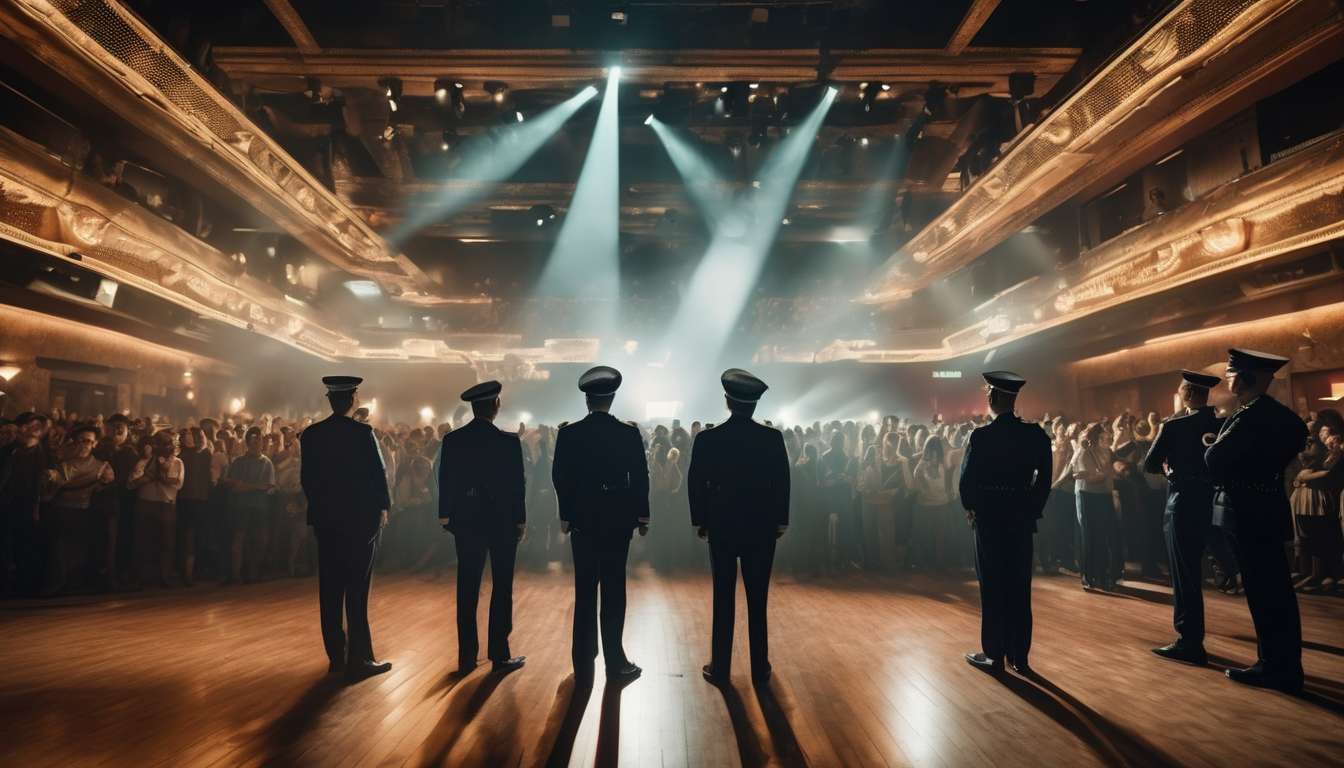
Often we assume that dance venues are simply places for music and movement, but this common myth overlooks their complex role in urban life and policy.
We have long treated clubs and dance halls as interchangeable with nightlife broadly, neglecting how zoning, safety regulations, and community expectations uniquely shape them.
As entertainment districts reconsider rules, we must confront misconceptions that stricter oversight only curbs disorder and that liberalizing policies solely invites chaos.
We see instead a spectrum: thoughtful regulation can support creative economies, protect workers, and foster safer spaces without erasing vibrancy.
Together, we will examine how historic biases—around noise, morality, and commercial use—have influenced permitting, policing, and urban design.
By unpacking assumptions and centering voices from promoters, dancers, residents, and officials, we aim to reveal pathways that reconcile public interest with artistic freedom, transforming policy debates into pragmatic solutions that sustain both culture and community.
Historical zoning myths
We’ve long treated zoning codes as neutral technical rules, but they often reflect historical biases that shaped where dance venues could — and couldn’t — exist.
We recognize those patterns as barriers to inclusive nightlife: redlining, commercial exclusions, and vague “adult entertainment” zones pushed venues away from mixed-use neighborhoods, isolating performers and patrons. When we push for zoning reform, we’re not just changing maps — we’re reclaiming shared space so communities can gather safely.
We’ll insist zoning changes pair with clear standards for crowd safety and worker protections, so opening new venues doesn’t mean sacrificing wellbeing.
Key elements of those standards include:
- Predictable permitting processes.
- Daylighted (public, clear) safety requirements.
- Accessible routes for patrons and staff.
- Enforceable labor standards that protect all staff.
We want rules that welcome diverse cultures and incomes, rather than entrenching privilege.
By centering community voices in reform, we build entertainment districts where everyone belongs, works with dignity, and enjoys nightlife that’s safe, accessible, and fairly regulated.
Noise and nuisance myths
Too often we treat noise complaints as inevitable nuisances rather than as signals we can manage with clear standards, better building design, and fair mediation processes.
We believe communities thrive when residents, venue operators, and workers feel heard and respected.
Noise isn’t just an annoyance; it’s measurable and manageable, so we support sensible zoning reform that separates incompatible uses while allowing vibrant nightlife where it belongs.
We’ll promote:
- sound insulation standards
- predictable curfew policies
- transparent complaint procedures
so disputes don’t become personal battles. That approach builds belonging: neighbors know what to expect, businesses can plan investments, and staff benefit from stable schedules.
We also connect nuisance policy to broader priorities like crowd safety and worker protections without conflating separate issues.
By using data-driven thresholds, community liaison roles, and mediation before penalties, we reduce conflict and improve compliance.
Together we can replace myths about inevitable disorder with practical rules that protect quality of life and sustain cultural spaces for everyone.
Safety and crowd management
We’ll prioritize clear, evidence-based crowd management plans and meaningful capacity limits so patrons, staff, and neighbors stay safe without shutting down the nightlife we value.
We design entry flows, queuing, and floor layouts that reduce bottlenecks and enable quick evacuation when needed.
We coordinate with nearby businesses and first responders so our plans reflect real conditions, not guesses.
We commit to ongoing training and drills for staff to spot risks early, manage incidents calmly, and de-escalate conflicts.
We collect and share data on attendance patterns and incidents to refine policies and justify zoning reform that supports safer, more vibrant districts.
We center crowd safety while preserving accessibility and warmth, so everyone feels welcome, seen, and protected.
We advocate for balanced worker protections that let staff act quickly during emergencies without fear of unfair penalties.
We’ll keep reviewing standards, listening to patrons and workers, and adjusting operations so safety and community thrive together in our entertainment districts.
Worker rights and protections
We’ll ensure venue staff have clear rights, fair pay, predictable schedules, and access to training and support so they can do their jobs safely and professionally.
We recognize that workers are the backbone of thriving entertainment districts, so we’ll push for worker protections that cover:
- harassment prevention
- incident reporting
- access to benefits
We’ll collaborate with employers, unions, and community groups to create training programs that tie into crowd safety protocols and emergency response, so staff feel confident and supported during busy nights.
We’ll advocate zoning reform that encourages mixed-use districts where workers can live near where they work, reducing commute strain and strengthening neighborhood ties.
We’ll monitor staffing levels and scheduling practices to prevent burnout, and we’ll promote transparent wage practices so everyone shares in our district’s success.
By centering dignity and inclusion, we’ll build venues where staff and patrons alike belong, feel protected, and can contribute to safe, vibrant nightlife.
Licensing and permitting reform
We will streamline licensing and permitting so venues can open and operate safely without unnecessary delays or opaque requirements.
Key actions:
- Revise application steps to be straightforward and user-friendly.
- Set clear timelines for review and approvals.
- Publish public checklists so every organizer knows what’s required.
Outcome: Organizers will feel included and confident that approvals aren’t arbitrary or delayed.
We will align licensing with zoning reform efforts to reduce contradictory rules that stall projects and fragment neighborhoods.
Key actions:
- Coordinate permitting criteria with updated zoning rules.
- Remove conflicting requirements that create uncertainty for developers and operators.
Outcome: Fewer stalled projects and better-integrated venues within communities.
We will require safety plans that prioritize crowd safety.
Required elements of safety plans:
- Capacity limits based on venue design and egress.
- Clearly marked and maintained ingress/egress routes.
- Adequate lighting for public spaces and exit paths.
- Trained staff for crowd management and emergency response.
Outcome: Audiences and workers will share secure spaces with lower risk of incidents.
We will simplify fee structures and create tiered permits tailored to venue size and programming.
Key actions:
- Develop scalable fee schedules to make compliance affordable for community-led ventures and established operators alike.
- Offer reduced or subsidized fees for nonprofit and grassroots organizers.
Outcome: Financial barriers to safe operation will be lowered, encouraging diverse programming.
We will integrate worker protections into permitting criteria.
Required protections:
- Proof of fair scheduling practices.
- Access to secure changing and rest areas.
- Clear reporting channels for hazards, harassment, or abuse.
Outcome: Staff and performers will have greater workplace safety and recourse.
We will provide technical assistance and fast-track options for groups promoting local talent.
Key actions:
- Offer application support, templates, and workshops.
- Create expedited review pathways for initiatives that prioritize local artists and underserved communities.
Outcome: Diverse participants can more readily contribute to the cultural ecosystem.
Overall goal: Build a licensing system that is transparent, equitable, and rooted in mutual respect for patrons, performers, and staff.
Community engagement models
Goal: Build ongoing, inclusive engagement models that give neighbors, artists, workers, and operators real influence over how dance venues are planned, permitted, and managed.
Set recurring co-creation forums.
- Establish regular forums where community members co-create priorities around zoning reform, crowd safety, and worker protections.
- Ensure decisions reflect lived experience rather than top-down assumptions.
Use accessible formats and clear timelines.
- Provide evening hours, childcare, and multiple languages to remove participation barriers.
- Share timelines and data publicly so everyone can participate consistently.
Create jointly agreed feedback loops.
- Propose ideas.
- Trial selected approaches.
- Measure outcomes.
- Revise based on feedback from those most affected.
Fund sustained community capacity.
- Hire and compensate community liaisons and worker representatives to ensure sustained capacity and fair pay for that labor.
Integrate transparent dispute-resolution processes.
- Design processes that honor both safety and livelihoods equally and are transparent to all parties.
Pilot neighborhood benefit agreements.
- Tie licensing incentives to concrete commitments on crowd safety measures and worker protections.
Center belonging and mutual accountability.
- By prioritizing shared responsibility and inclusion, create engagement practices that make dance venues safer, more resilient, and rooted in the people who animate them.
Design for inclusive spaces
We’ll design dance venues that welcome diverse bodies, identities, and abilities by prioritizing accessible layouts, inclusive programming, and flexible operations.
Key layout and facility features:
- Map and maintain clear, step-free routes (entrances, paths, stage access).
- Provide varied seating (standing areas, seats with backs, transfer spaces for wheelchairs).
- Create quiet / low-sensory zones for breaks.
- Install gender-neutral restrooms and accessible changing facilities.
- Offer sensory-friendly hours or performances with adjusted lighting and sound.
Zoning and neighborhood alignment:
- Align venue design with zoning reform goals so neighborhoods can host inclusive venues without exclusion.
- Work with planners to ensure permitted uses, capacity limits, and hours support community needs.
We’ll train staff in de-escalation and accessibility awareness, and embed crowd safety measures so people feel secure.
Staff training and wellbeing:
- Provide de-escalation and accessibility awareness training for front-of-house and security.
- Center worker protections: fair scheduling, hazard training, paid sick leave, and clear channels for reporting concerns.
- Support staff wellbeing to build trust and continuity.
Crowd safety and operations:
- Design for good sightlines, clearly marked emergency exits, and robust capacity management.
- Use operational procedures (e.g., entry flows, security posture) that prioritize safety without exclusion.
We’ll program varied events that reflect cultural diversity and different energy levels, co-created with local groups to cultivate belonging.
Programming and community engagement:
- Co-create events with local cultural and disability-led groups.
- Program a mix of high-energy nights, low-sensory sessions, family-friendly hours, and community workshops.
- Provide translation, interpretation, and accessible marketing so programming is discoverable.
We’ll monitor outcomes, adjust spaces, and share lessons with city planners and peers so inclusive design becomes standard practice, not an afterthought.
Monitoring and sharing:
- Collect feedback from patrons, staff, and community partners and track accessibility metrics.
- Iterate on design and operations based on data and lived experience.
- Share best practices and lessons with city planners, venue owners, and neighborhood organizations to normalize inclusive venue design.
Policy pathways for balance
We’ll pursue clear policy pathways that balance nightlife vibrancy with neighborhood livability by aligning regulations, incentives, and enforcement.
We’ll prioritize zoning reform that lets diverse venues coexist with homes, creating predictable locations for music and dancing while protecting residential character.
We’ll tie permit incentives to measurable crowd safety upgrades—for example:
- Better sightlines to improve incident detection and flow.
- Trained door staff to manage crowds and de-escalate conflicts.
- Accessible exits to ensure safe egress for all patrons.
We’ll require worker protections that guarantee fair scheduling, health safeguards, and incident reporting without fear of retaliation, because staff are central to inclusive nights.
We’ll convene residents, venue operators, performers, and workers to co-create local agreements that reduce noise conflicts and streamline temporary event licensing.
We’ll use data-driven reviews to adjust rules, evaluate enforcement impact, and distribute resources where they foster community trust.
We’ll fund mediation programs and community liaisons to keep dialogue open.
Together, we’ll craft balanced policies that sustain lively, safe dance spaces where everyone feels they belong.
What specific funding sources or grant programs are available to help small dance venue operators retrofit their spaces to meet new safety, accessibility, or noise-control requirements?
Question: Which funding sources can help small dance venues retrofit for safety, accessibility, or noise control?
Answer: Below are funding sources and cost-sharing options that small dance venues can pursue to support retrofits for safety, accessibility, and noise control.
Local small business grants and loans
- Local economic development offices, municipal small business programs, and chambers of commerce often offer grants, low-interest loans, or forgivable loans targeted at small businesses making physical improvements.
State cultural, capital improvement, and arts agency funds
- State arts councils and cultural affairs departments may have capital or infrastructure grants specifically for arts venues.
- State economic development or tourism departments sometimes offer funds for venue improvements that boost local cultural tourism.
National Endowment for the Arts (NEA) and national arts grants
- The NEA and similar national organizations provide grants for arts organizations; some programs support facility upgrades, accessibility projects, or technical assistance.
Community Development Block Grants (CDBG)
- Federal CDBG programs (administered by municipalities/counties) fund community infrastructure and public facilities; projects that improve public access or safety can qualify.
Historic preservation incentives
- Historic preservation grants, tax credits, or rehabilitation incentives can help if the venue is a listed or qualifying historic property.
Accessibility and disability grants
- Region-specific programs (for example, Accessibility for Ontarians with Disabilities Act (AODA) resources in Ontario or other national disability-access grants) provide funding or cost-sharing for accessibility upgrades, ramps, bathrooms, and related renovations.
Energy-efficiency rebates and utility incentives
- Utility companies and state energy offices often offer rebates, incentives, or low-interest financing for energy-efficient upgrades (lighting, HVAC, insulation) that can also improve noise control and safety.
Crowd-sourced and community fundraising
- Community-driven campaigns (crowdfunding, membership drives, benefit events) can raise capital and demonstrate local support — useful when applying for matching grants.
Partnerships with local nonprofits and institutions
- Collaborate with local arts organizations, disability advocacy groups, universities, or housing/community development nonprofits to share costs, access technical expertise, or co-apply for grants.
Combination strategies and practical tips
- Start with a needs assessment and prioritized project list (safety, accessibility, noise control) to match funders’ priorities.
- Seek programs that allow matching funds and combine public grants with crowd-sourced or private donations.
- Look for technical-assistance programs that reduce design or permitting costs.
- Track deadlines and eligibility carefully — some funds are location-, size-, or nonprofit-status dependent.
- Consider hiring a grant writer or consulting with a local arts/cultural agency to increase success rates.
Next steps
- If you’d like, I can help identify specific programs and application deadlines for your city/region, craft a prioritized project list tailored to your venue, or draft a template grant narrative and budget. Which would you prefer?
How do these policy changes affect insurance premiums and liability coverage options for venue owners, staff, and performers?
We see the question about how policy changes affect insurance and liability.
Higher premiums are likely if mandates increase safety, staffing, or capacity requirements. This reflects insurers pricing greater exposure or higher minimum standards for coverage.
Coverage clarity and new endorsements may follow. With clearer expectations, we may gain access to endorsements for specific risks such as noise, assault, or accessibility claims.
Updated risk assessments are required. To reduce rates and demonstrate compliance, we’ll need to complete fresh risk evaluations and keep documentation of safety measures and staffing levels.
Document compliance to lower rates. Maintaining records of inspections, training, and implemented safety protocols can be used to negotiate better terms or discounts.
Consult brokers for tailored policies and waivers. Brokers can help design policies and liability waivers that protect owners, staff, and performers while preserving inclusive, safe spaces.
Action steps:
- Review proposed or expected policy changes and map which requirements affect operations.
- Order a comprehensive risk assessment focused on new mandates.
- Gather and maintain compliance documentation (inspections, training logs, capacity plans).
- Meet with insurance brokers to explore endorsements, coverage gaps, and waiver language.
- Implement recommended safety/staffing changes to qualify for lower premiums or credits.
Bottom line: Expect increased costs from stricter mandates, but gain clearer coverage and the opportunity to secure targeted endorsements and waivers—provided you proactively document compliance and work with brokers to tailor protection for owners, staff, and performers.
What are the recommended conflict-resolution or mediation services for disputes between venues and local residents that arise after changes to operating hours or capacity limits?
Recommendation: Best mediation services for venue–resident disputes (hours or capacity)
Community mediation centers
Community mediation centers are often accessible, affordable, and experienced in neighborhood disputes. They provide neutral facilitators who can help parties reach mutually acceptable solutions.
Local government ombudsmen
Local government ombudsmen can offer authoritative guidance, help interpret local regulations, and coordinate with enforcement bodies when necessary.
Licensed professional mediators with land-use/noise experience
Licensed professional mediators who specialize in land-use, zoning, or noise issues bring subject-matter expertise and can navigate technical, legal, and regulatory considerations.
Restorative justice circles
Restorative justice circles focus on repairing harm and rebuilding relationships, which can be useful when ongoing community relations are important.
Industry-specific mediation programs
Industry-specific mediation programs (e.g., hospitality, live events) understand sector norms and constraints and can propose practical, realistic solutions.
Recommended processes and supports
-
Joint facilitated meetings. Use a neutral facilitator to guide structured, face-to-face dialogue so both venue operators and residents can voice concerns and priorities.
-
Clear escalation pathways. Establish stepwise procedures for unresolved issues (mediation → ombudsman → licensed mediator → arbitration) so parties know next steps.
-
Written agreements. Document outcomes in clear, enforceable agreements specifying hours, capacity limits, monitoring, and review dates.
-
Training in de-escalation. Provide training for venue staff and community representatives to reduce tensions during incidents and prevent conflicts from escalating.
-
Regular community liaison committees. Create ongoing committees with venue, resident, and local-authority representation to maintain dialogue, review compliance, and update agreements.
Key benefits
- Neutrality and expertise help craft fair, workable solutions.
- Formalized processes reduce ambiguity and repeat disputes.
- Ongoing engagement fosters trust and prevents future conflicts.
Conclusion
You’ve seen how old zoning and noise myths have limited vibrant dance venues, often at the expense of safety, workers’ rights, and inclusivity.
By reforming licensing, improving crowd management, and designing accessible spaces, you can help craft entertainment districts that balance community needs with nightlife energy.
Engage neighbors, protect staff, and push for clear, fair policies so dance venues thrive responsibly — creating safer, more inclusive nighttime economies everyone can enjoy.