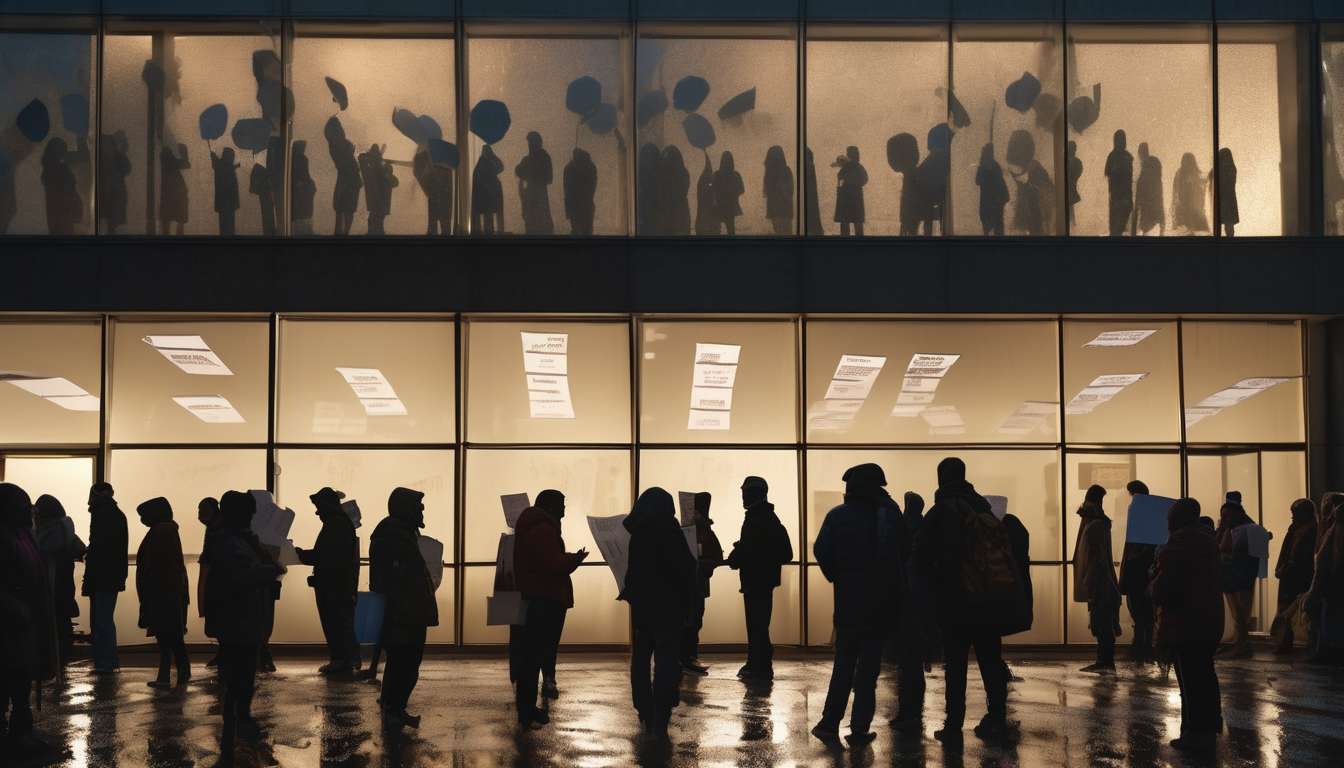

The stage is a mirror: we see performers, society, and policy reflected back at us, each influence reshaping the other.
Exotic dancers navigate overlapping systems. As advocates and researchers, we recognize that dancers operate not only within nightlife but also within employment systems that often deny basic labor protections.
Workers’ stories reveal core themes:
- Skill — performers describe varied, nuanced competencies.
- Resilience — workers adapt to precarious conditions.
- Need for collective representation — many express desire for shared voice and bargaining power.
Professional associations can translate narratives into concrete gains.
- Standardized safety protocols to reduce workplace harm.
- Access to benefits such as health care, leave, and retirement options.
- Training opportunities for skills development and career mobility.
- A platform for advocacy to influence policy and public perceptions.
Cross-disciplinary networks strengthen support.
- Forming networks that combine legal expertise, occupational health knowledge, and peer-led support can address stigma while reinforcing autonomy and dignity.
Purpose of this article. Our goal is to examine how associations have emerged, the services they provide, and the challenges they face in legitimating exotic dancing as work deserving of rights.
Forward-looking approach. Together, we explore pathways that bridge grassroots organizing and institutional recognition to improve workers’ well-being.
Mapping Association Histories
We trace how professional associations for exotic dancers formed, evolved, and influenced labor, safety, and public perception over time.
Early grassroots efforts prioritized unionization to secure fair wages and on-the-job protections.
These initial organizing steps often began as ad hoc collectives focused on immediate workplace issues: negotiating pay structures, fighting exploitative house policies, and demanding basic workplace standards.
Over time, groups broadened their missions to include harm-reduction practices such as:
- safer work protocols (e.g., venue safety checks, clear incident-reporting procedures)
- de-escalation training for staff and performers
- peer-support systems for sharing information and responding to crises
Associations shifted from informal collectives to organized bodies offering professional development. This included:
- Workshops on financial literacy (budgeting, taxes, retirement planning)
- Legal-rights education (contract review, local labor law awareness)
- Performance-skills training (stagecraft, branding, health and wellness)
Pivotal public campaigns reframed dancers as workers deserving dignity, changing public perception and creating space for policy conversations.
Alliances with broader labor movements expanded bargaining power, enabling collective actions that reached beyond single venues and influenced industry standards.
Associations confronted persistent challenges such as:
- legal barriers (criminalization, licensing laws)
- social stigma that inhibited political support and access to services
- uneven resource distribution across regions and venues
To address these challenges, many associations centered mutual aid and evidence-based safety standards. Examples include pooled emergency funds, clear safety protocols grounded in research, and partnerships with health and legal service providers.
Throughout this history, collective organizing built belonging and resilience. By organizing around labor, safety, and professional growth, associations strengthened individual careers, improved workplace conditions, and reinforced community solidarity.
Membership and Governance
Membership & eligibility
We design membership criteria to be inclusive, inviting dancers, stagehands, and allies who share our values. We balance open enrollment with clear expectations so members feel secure and welcome.
Governance & leader selection
Board elections run transparently: nominations, candidate statements, and member voting ensure leaders reflect our community.
Collective representation
We embed unionization principles where appropriate, supporting collective voice without imposing a single approach.
Committees & oversight
- Committees oversee finances, conflict resolution, and program priorities.
- We publish bylaws and minutes so everyone can follow decisions.
Harm reduction & wellbeing
We prioritize harm reduction in policies — from event planning to peer-support initiatives — ensuring governance protects wellbeing.
Professional development
Professional development is a core benefit:
- Workshops
- Mentorships
- Credentialing
These stem from member-identified needs.
Accountability & responsiveness
We hold regular town halls and surveys to stay accountable, and we revise rules when members ask for change, reinforcing belonging and shared responsibility.
Safety and Labor Standards
We prioritize clear safety and labor standards that protect performers’ physical health, financial rights, and workplace dignity.
We establish and enforce venue safety policies that cover everything from incident reporting protocols to standards for lighting, stage construction, and security presence.
We champion unionization as a pathway to collective bargaining power.
- This enables members to set enforceable work hours.
- This enables transparent pay practices.
- This enables formal grievance procedures.
We center harm reduction through training and anonymous reporting.
- Training includes de-escalation, consent communication, and substance safety.
- Anonymous reporting channels are provided to reduce fears of retaliation.
We foster a culture of mutual care and managerial accountability.
- Peers are encouraged to support one another.
- Managers are held accountable for upholding standards and responding to concerns.
We tie standards to ongoing professional development.
- Offer workshops on legal rights.
- Offer training in occupational health.
- Offer conflict resolution skill-building.
We consult experts to ensure policies are evidence-based and lawful.
- Public health experts advise on harm-reduction and safety measures.
- Labor lawyers ensure compliance with relevant laws and regulations.
We listen to members, update standards collaboratively, and measure outcomes so our community remains safe, dignified, and united.
Benefits and Financial Supports
Benefits & Financial Supports — Negotiation and Administration
We’ll negotiate and administer benefits and financial supports that ensure performers have access to fair pay, healthcare options, emergency funds, and retirement planning.
Key actions:
- Build collective bargaining frameworks rooted in unionization so members share power.
- Secure transparent wage floors, tips protections, and predictable scheduling.
- Ensure all frameworks are member-governed, culturally responsive, and confidential.
Healthcare & Harm Reduction
We’ll create pooled healthcare initiatives and partner with clinics to expand access to sexual health, mental health, and trauma-informed care as part of a comprehensive harm reduction approach that respects autonomy and privacy.
Components:
- Pooled plans and clinic partnerships for broader access.
- Trauma-informed services and culturally competent providers.
- Privacy safeguards and options that respect personal autonomy.
Emergency Relief & Public Benefits Guidance
We’ll manage an emergency relief fund for sudden work loss, medical crises, or relocation needs, and offer clear guidance on accessing public benefits without stigma.
Services provided:
- Emergency relief fund administration.
- Step-by-step guidance for accessing public benefits and supports.
- Outreach to reduce stigma and simplify application processes.
Retirement & Financial Counseling
We’ll coordinate retirement planning sessions and affordable financial counseling, helping members plan long-term while acknowledging the realities of gig and cash economies.
Offerings:
- Retirement planning workshops and individualized sessions.
- Affordable, accessible financial counseling tailored to irregular incomes.
- Tools for long-term planning that respect gig/cash-based work patterns.
Training and Professional Development
Program focus:
We’ll offer practical, skills-based training and ongoing professional development that helps performers build stagecraft, business savvy, safety practices, and leadership capacity.
Workshop structure and content:
- Workshops are welcoming and hands-on, teaching choreography, floorcraft, and client communication.
- Sessions include financial literacy, contract basics, and portfolio reviews.
- Curriculum respects diverse bodies and identities and emphasizes practical, usable skills.
Harm reduction and safety:
- Embed harm reduction techniques such as de-escalation, boundary-setting, safer substance use information, and trauma-informed care.
- Equip members to protect themselves and one another through clear, applied safety practices.
Economic empowerment and business clinics:
- Provide peer-led mentorship, business clinics on taxes, pricing, and branding, and portfolio reviews.
- Emphasize economic empowerment as a way to strengthen community ties and individual stability.
Connection to organizing and choice:
- Training links to broader goals like unionization by teaching organizing skills, meeting facilitation, and collective bargaining literacy.
- Focus on skills that let people choose their path, avoiding turning every class into politics.
Professional development pathways:
- Regular professional development series.
- Accredited certificates.
- Leadership labs to advance careers, mentor newcomers, and train stewards.
Core values and accessibility:
- Center accessibility, mutual support, and clear, practical tools.
- Ensure programming allows everyone to grow together.
Advocacy and Policy Work
We will actively advocate for policies that protect dancers’ labor rights, safety, and access to services while challenging criminalizing and stigmatizing laws.
We organize collective campaigns that promote unionization as a path to fair wages, predictable schedules, and workplace protections, so every member feels seen and supported.
We push for municipal and state reforms that center harm reduction—ensuring access to health services, safe work environments, and nonjudgmental support—rather than punitive enforcement that isolates people.
We lobby for clear anti-discrimination ordinances and transparent licensing rules that remove arbitrary barriers to work.
We track legislation, mobilize testimony, and build voter education materials so our community can defend its interests at every level.
Our advocacy work includes training members in public speaking and grassroots organizing, linking policy efforts back to ongoing professional development.
By working together, we reshape public narratives, influence decision-makers, and create durable protections that let dancers thrive with dignity, safety, and mutual accountability.
Cross-Disciplinary Partnerships
We forge collaborative partnerships with healthcare providers, legal aid, organizers, and arts institutions to expand resources, expertise, and public understanding for dancers.
We build bridges that center dignity and shared purpose, creating spaces where members feel seen and supported.
Healthcare and harm reduction partnerships:
- By partnering with clinics and harm reduction advocates, we ensure access to nonjudgmental care, safer work environments, and practical resources for health and wellbeing.
Legal aid collaborations:
- Legal partners help members navigate employment rights, contest unfair treatment, and pursue unionization when communities choose collective bargaining.
Arts institutions and community organizers:
- These collaborators help legitimize creative labor, host skill-sharing workshops, and broaden public narratives about our work.
Co-designed professional development:
- Together we co-design programs—financial literacy, performance safety, and leadership training—that reflect lived experience and career goals.
Collective impact:
- These cross-disciplinary ties strengthen our collective voice, increase practical supports, and cultivate networks that welcome newcomers and sustain veterans.
Principles guiding partnerships:
- We prioritize reciprocity, accountability, and accessible programming so every member feels part of a resilient, empowered community.
Challenges and Future Directions
We face persistent legal stigma, inconsistent access to services, and funding gaps that limit our ability to scale supports and protect members’ rights.
We acknowledge these constraints directly and commit to strategic action:
- Pursuing policy advocacy.
- Building coalitions.
- Documenting impact to unlock sustainable funding.
We’ll prioritize culturally competent harm reduction services and ensure they’re community-led, not imposed.
We’ll support unionization efforts where members choose collective bargaining, offering:
- Resources.
- Training.
- Legal referral networks.
We’ll expand professional development opportunities to strengthen autonomy and workplace safety, including:
- Skills workshops.
- Mentorship.
- Mental health supports.
To sustain belonging, we’ll create transparent governance that centers member voice and shared decision-making.
We’ll measure progress with clear metrics—service access, legal outcomes, retention, and wellbeing—and iterate based on member feedback.
By combining advocacy, grassroots organizing, and accountable program design, we’ll address current barriers while building a resilient, inclusive association that protects rights and advances dignity for all members.
How do professional associations for exotic dancing workers navigate digital platforms and social media to support members while protecting privacy and safety?
We’re asking how groups navigate digital platforms and social media to support members while protecting privacy and safety.
We create private, vetted online spaces with membership checks and access controls to limit participation to trusted members.
We set clear rules about sharing identifying info that specify what is never allowed (e.g., addresses, legal names, photos) and what limited, consented information may be shared.
We offer guides for secure communication and deplatforming responses, including:
- Best practices for using encrypted messaging and temporary accounts.
- Steps to take if a member is harassed, doxxed, or removed from a platform.
- How to coordinate rapid response and record incidents safely.
We provide digital-security training, anonymous reporting tools, and legal resources so members can learn safer practices, report violations without fear, and access advice or representation when required.
We amplify members’ stories consensually by obtaining explicit consent, allowing anonymity options, and using aggregated or redacted narratives to build community and advocate for safer online policies.
What mental health and addiction support resources are available specifically tailored to exotic dancing workers, and how do associations connect members to culturally competent care?
Question: What mental health and addiction supports exist specifically for exotic dancing workers, and how do we link members to culturally competent care?
Supports available
Peer-led support groups
- Peer facilitators with lived experience provide mutual support and understanding.
- Groups are confidential and nonjudgmental.
Trauma-informed counseling
- Counselors use trauma-aware approaches recognizing common experiences in sex work.
- Focus on safety, empowerment, and choice.
Harm-reduction programs
- Practical strategies to reduce substance-related risks without requiring abstinence.
- Includes safer-use supplies, overdose prevention education, and nonpunitive support.
Low-cost or sliding-scale therapists knowledgeable about sex-work realities
- Financially accessible options with clinicians who understand the specific stressors and stigma faced by exotic dancers.
How we link members to culturally competent care
Confidential referral networks
- Members are connected privately to trusted providers and services.
- Referrals respect anonymity and safety concerns.
Vetted provider lists
- We maintain and update a list of clinicians and agencies screened for cultural competence and nonjudgmental care.
- Providers are evaluated for experience with sex work, trauma-informed practice, and harm reduction.
Telehealth options
- Remote care to increase access, privacy, and convenience.
- Useful for those with unpredictable schedules or who prefer not to disclose in-person.
Clinician training
- We offer training so clinicians learn about our culture, language, common challenges, and best practices for respectful care.
- Training emphasizes avoiding stigma, respecting boundaries, and centering client autonomy.
Ongoing commitment
Building trust, safety, and access together
- We continuously solicit member feedback to improve services.
- We update referrals, expand training, and co-design programs with community members to ensure relevance and safety.
How do associations address issues related to immigration status, language barriers, and services for non-citizen or temporary resident exotic dancing workers?
We acknowledge immigration, language, and non‑citizen needs directly and compassionately.
We partner with legal aid, immigration clinics, and multilingual counselors to offer:
- workshops,
- know‑your‑rights materials,
- referrals.
We fund translation and interpretation services, promote confidential pathways to care, and advocate for policy changes protecting temporary residents.
We create peer support groups in multiple languages, train staff on cultural humility, and ensure undocumented members can access services safely and respectfully.
Conclusion
Associations document histories, shape governance, and push safety, labor standards, and financial supports for exotic dancers.
They provide training, professional development, and partner across sectors to expand resources and influence.
Advocacy wins policy changes, but challenges—stigma, funding, legal barriers—remain.
Moving forward, sustaining memberships, diversifying services, and deepening partnerships will be key to strengthening worker autonomy, safety, and economic stability in this often-marginalized profession.