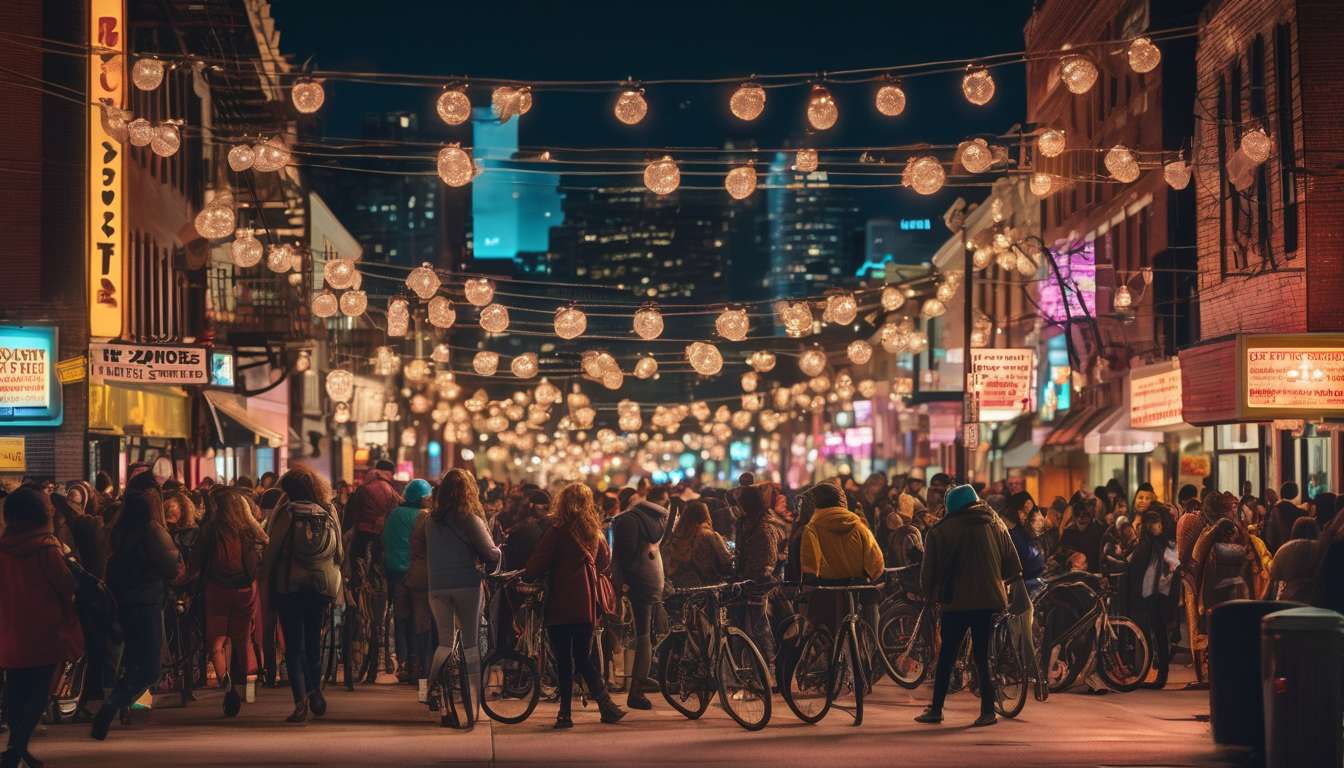
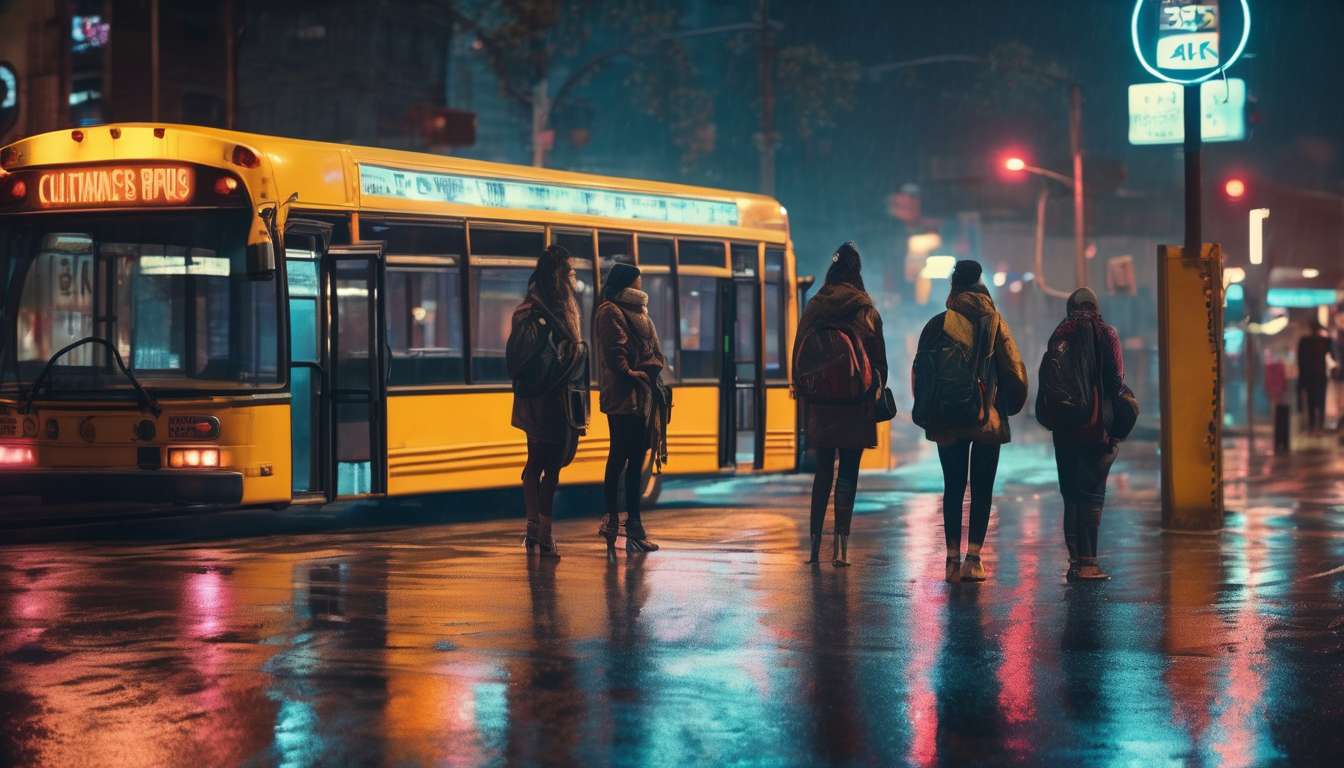
Vivid as neon yet as fragile as a late bus schedule, our nights at exotic dance venues hinge on transit lines that often run like punctuation marks — irregular, abrupt, decisive.
We cross city limits and social boundaries after midnight, relying on buses, trains, rideshares, and the goodwill of friends to get us home. When those options differ in speed, cost, or safety, our shifts transform.
Unlike daytime workers whose commutes are scheduled and supported, we navigate staggered routes, fare surges, and the vanished confidence of well-lit platforms. The difference is not merely logistical: uneven transit options shape who can work when, for how long, and under what risk.
As a result, our earnings, health, and agency are tethered to public and private transport policies that often ignore nocturnal rhythms. This article examines how late-night transit disparities influence staffing, shift patterns, and the lived safety of performers and venue workers, and considers solutions that center our mobility and dignity.
Nightshift Commuting Realities
We catch the last trains, night buses, and rideshares while juggling unpredictable schedules and safety concerns.
Late-night transit shapes how we plan shifts, split tips, and get home without burning out.
We coordinate rideshare reliance when routes thin out.
- We pool costs and share trusted drivers so no one walks alone.
- We meet under well-lit spots and text ETA updates to feel seen and secure.
We want practical, system-level improvements so our lives don’t hinge on luck.
- Consistent schedules and reliable stops.
- Better safety and lighting at pickup points.
We trade advice and adapt when services change.
- Share which lines run later and where chauffeurs wait.
- Update each other when routes or schedules are altered.
We’re not asking for special treatment — just predictable transit that fits our hours and respects our need to belong and thrive.
By sticking together and sharing reliable intel, we reduce anxiety and keep each other safer during the odd hours we work.
Safety and Lighting Gaps
Many of our regular pickup points are poorly lit and feel unsafe.
To reduce risk, we organize shifts and buddy systems so people don’t walk alone.
- We check in with one another before leaving.
- We map safer routes.
- We agree on visible landmarks where drivers can stop so no one is stranded under a flickering streetlamp.
When late-night transit options are sparse, our shared strategies become essential.
- These strategies reduce exposure to poorly maintained sidewalks and dark alleys.
- Coordinating together lowers the chance of walking alone in unsafe conditions.
We raise safety and lighting concerns with management and local community groups.
- We push for better streetlights and clearer signage near venues.
- We document trouble spots and share them in group texts so new staff know where to avoid.
Because many of us rely on rideshares, we coordinate pickup times and fallback locations.
- Coordinated pickups limit waiting time.
- Well-lit public areas are used as fallback spots.
By acting together, we build practical habits that make late shifts feel less isolating.
- These practices help everyone get home with more confidence and care.
Cost Barriers and Fare Surges
Many of us can’t afford sudden fare surges or the cumulative cost of nightly rides. We pool funds, stagger shifts, and hunt for cheaper alternatives to make ends meet. We rely on tight budgets and mutual support to manage late-night transit expenses that would otherwise push some of us out of work.
Fare spikes and limited service force difficult choices. Riders often choose between safety and lighting concerns and the cheapest route home. When buses stop running or stops are poorly lit, rideshare reliance can feel necessary — but that dependence drains paychecks and creates long-term insecurity.
As a group, we advocate for predictable, affordable options. Our priorities include:
- clearer night routes
- subsidized passes
- better stop lighting so walking short distances feels safer
We share practical strategies to stretch resources without sacrificing safety. These include:
- tips on low-cost transfers
- coordinated departures
- lists of trusted drivers
Together we stay informed and push for systemic change. We challenge opaque surge pricing and press for policies that recognize the true cost of getting home after dark.
Scheduling and Shift Impact
Many of us juggle unpredictable schedules, and shift timing directly shapes how long we wait, how we plan commutes, and whether we can reliably make it home.
We coordinate shifts so someone can carpool, catch a bus, or meet up safely, because late-night transit options narrow as the night wears on.
We balance hours to maximize pay while minimizing risky waits under poor safety and lighting conditions.
When venues close at different times, we adjust start and end times to sync with transit schedules or with coworkers willing to walk together to better-lit stops.
We talk openly about preferred shifts, trade when transit looks unreliable, and create informal lists of who leaves when so nobody feels stranded.
We value routines that let us rest between late shifts and daytime obligations.
While we use rideshare reliance as one tool, we also push for predictable shift patterns and better coordination with local transit providers to reduce solitary waits and improve overall wellbeing.
Rideshare Reliance Risks
Problem: rideshare dependence creates costs, unpredictability, and safety trade-offs.
We rely on rideshares a lot, but that dependence brings higher costs, unpredictable availability, and safety trade-offs we should confront. Late-night transit options thin out when shifts end, leaving people waiting alone under poor lighting or unsafe conditions. That waiting increases exposure and anxiety, especially when apps surge prices or drivers cancel.
Goal: reduce solo risk and harmful dependence while keeping rideshares as an option.
We’re not aiming to eliminate rideshares, but to lessen harmful dependence by combining personal networks, venue accountability, and city engagement on safety and lighting.
Practical steps to build community and reduce solo risk
-
Coordinate departures and share arrival info.
- Encourage grouped departures from work or events so people leave together.
- Share real-time ETA screenshots or confirmations in a common chat so everyone knows who’s arriving when.
-
Establish buddy systems and small support networks.
- Pair or group people so nobody waits alone.
- Rotate responsibilities for escorting colleagues to pickup points.
-
Improve venue pickup safety and procedures.
- Press managers for well-lit, designated pick-up/drop-off points and clear check-out procedures.
- Request that venues keep staff available briefly at closing to assist vulnerable patrons.
-
Map and promote reliable transit alternatives.
- Compile and share safe, late-night transit routes, vetted taxi companies, or community shuttles.
- Keep a shared list of trusted drivers and backup services.
-
Prepare for app failures and price surges.
- Keep portable chargers and a communal backup power bank accessible.
- Maintain a small, shared emergency fund or cash stash for unavoidable rides or cancellations.
-
Engage with city and local authorities.
- Advocate for better street lighting, safer pickup infrastructure, and extended late-night transit where feasible.
- Report repeated unsafe conditions to build a case for improvements.
Expected outcomes
- Reduced lone waiting and exposure to unsafe conditions.
- More predictable, affordable departures through pooled options and shared information.
- Increased venue accountability and municipal attention to lighting and safety.
- A practical safety net that keeps rideshares as an option without making people dependent on them.
If you’d like, I can help draft a short template message to share with your group or a one-page handout for managers outlining these steps.
Staffing Shortages Patterns
Problem: understaffing during closing hours
Many venues are understaffed during closing hours, and we need to track when and why those shortages happen so we can design staffing patterns that reduce last-minute strain and safety risks.
What we map and why
We map shifts against late-night transit schedules and incident reports to find consistent gaps—nights when buses stop early, trains run infrequently, or rideshare reliance spikes because public options taper off.
Sharing data and building buy‑in
We share this data with staff so everyone sees patterns and feels included in solutions.
Interventions we test
- We test staggered shift endings and overlapping coverage on identified high‑risk nights.
- We monitor whether better safety and lighting around entrances and pickup points eases departures.
Feedback loop and adjustments
- We collect staff feedback about timing, neighborhood concerns, and predictable transit failures.
- We then adjust rostering to avoid single‑person closings.
Outcome: collaborative, data‑driven scheduling
By treating staff as collaborators and using clear, data‑driven scheduling, we build a more dependable workplace where people can count on each other for safer, smoother late‑night exits.
Policy and Transit Planning
Goal: Align transit and safety with venue closing patterns to ensure reliable homeward trips for staff and patrons.
Coordinate with city agencies and transit operators.
- Align service hours, funding, and last-mile solutions with venue closing patterns.
- Hold coordinated planning meetings that include venue staff voices.
Implement evidence-based late-night schedules.
- Develop schedules that reflect shift end times and neighborhood demand.
- Reduce unsafe service gaps that currently force reliance on rideshares or walking in poorly lit areas.
Advocate funding and pilot programs.
- Push for budget adjustments and pilot programs to maintain frequency during peak closing windows.
- Tie pilot outcomes to decisions about ongoing service levels.
Prioritize safety at stops and along walking routes.
- Ensure visible, well-maintained shelters and timed lighting improvements linked to transit investments.
- Improve pedestrian routes to stops to reduce exposure to poorly lit or isolated areas.
Track outcomes and refine approaches.
- Collect ridership and incident data.
- Use data to refine service schedules and capital investments.
- Reassess with stakeholders regularly to ensure responsiveness.
Impact: Centering late-shift workers reduces barriers to safe mobility, cuts reliance on costly rideshares, and creates inclusive transit options that help everyone feel protected.
Community-Led Mobility Solutions
We’ll develop community-led mobility solutions that let venue staff and nearby residents co-design safe, affordable last-mile options and advocate for resources that match their real needs.
We’ll gather key stakeholders — staff, neighbors, transit riders, and operators — to map gaps in late-night transit and pinpoint areas where improved safety and lighting would make the biggest difference.
We’ll pilot targeted interventions, including:
- Expanded stop placements
- Coordinated shuttle routes
- Negotiated rideshare partnerships that reduce rideshare reliance for routine trips while keeping options for emergencies
We’ll train local ambassadors to monitor stops, report hazards, and liaise with transit agencies so interventions stay responsive.
We’ll pursue transparent, community-reviewed funding through city grants and benefit assessments that the community reviews, ensuring shared ownership of projects and resources.
We’ll measure success by:
- Increased transit use
- Fewer solo walks at night
- Stronger trust between venues and neighbors
Together, we’ll create mobility services that honor workers’ schedules, prioritize safety and lighting, and build lasting, belonging-centered solutions for late-night travel.
How do immigration status or language barriers specifically affect late-night transit access and employment for exotic dance venue staff?
Research question: How do immigration status and language barriers shape late-night transit access and employment?
Key problems faced
-
Undocumented status limits job options and access to IDs.
This restricts employment choices and may prevent obtaining transit passes or photo IDs needed for certain routes or employer verification.
-
Undocumented workers may be unwilling to report unsafe transit incidents.
Fear of detection or deportation leads to underreporting of harassment, assault, or unsafe conditions on late-night routes.
-
Language barriers make it hard to understand transit schedules, rider alerts, and workers’ rights.
Limited access to critical information increases the risk of missing routes, being unaware of service changes, or not knowing how to seek help.
-
Isolation from support networks and safe routes.
Combined status and language challenges reduce access to community resources, legal aid, and safer travel options.
Needed solutions
-
Inclusive policies and legal protections.
- Protect undocumented workers who report crimes or unsafe transit incidents from immigration enforcement.
- Ensure labor protections are accessible regardless of status.
-
Multilingual information and outreach.
- Provide schedules, alerts, signage, and rider safety materials in the primary languages of riders.
- Use culturally appropriate outreach through community organizations.
-
Access to IDs and affordable transit options.
- Create alternative ID policies or non-immigration-linked fare programs so riders can access transit and employment.
- Offer subsidized late-night transit for low-income and undocumented workers.
-
Community-based support and reporting mechanisms.
- Establish confidential reporting channels and transit ambassadors who speak community languages.
- Partner with worker centers and legal clinics to assist with incidents and rights education.
Overall goal
-
Enable safe, dignified travel and work for all.
By combining policy changes, multilingual communication, accessible IDs/fare programs, and community supports, late-night transit can become safer and more equitable for immigrants and limited-English speakers.
What mental health supports are available or needed for staff who work irregular night shifts and face transit-related stress and isolation?
Question: What mental health supports are available or needed for staff working irregular night shifts who face transit-related stress and isolation?
Summary of needs: Staff working irregular night shifts experience transit-related stress and isolation and require supports that promote safety, connection, and belonging. Services must be culturally competent and language-accessible.
Essential clinical supports
-
Accessible counseling
- Flexible teletherapy — evening/night appointments, asynchronous messaging, and platforms accessible by phone.
- Trauma-informed therapy tailored to shift work — clinicians trained in circadian disruption, sleep disturbance, and transit-related trauma.
- Culturally competent and language-accessible clinicians — LGBTQ+- and race-conscious care, interpreters, and multilingual providers.
-
Crisis and urgent supports
- 24/7 crisis hotlines with options for text/chat and language access.
- Rapid-response pathways linking staff to emergency mental-health assessment after acute transit incidents (e.g., late-night assaults, near-misses).
Peer and community supports
-
Peer support groups
- Scheduled sessions at times that align with night-shift staff (late night/early morning).
- Facilitated groups for shared experiences: transit anxiety, isolation, sleep disruption.
-
Community drop-in centers
- Safe, warm spaces accessible during night hours for rest, basic needs, and short-term support.
- Connection points for referrals to counseling, legal aid, or transportation services.
Practical and logistical supports
-
Subsidized rides and safe transit options
- Employer-funded rideshares, shuttle services, or transit vouchers for late/early shifts.
- Partnerships with transit agencies for safer late-night routes and lighting/station security.
-
Workplace policies
- Predictable scheduling practices and limits on quick shift changes.
- Guaranteed rest periods, protected sleep opportunities where feasible, and clear procedures after transit incidents.
- Paid time for appointments and recovery after traumatic events.
Access, inclusion, and belonging
-
Cultural competence and language access
- Training for providers and peer facilitators on cultural humility.
- Materials, hotlines, and teletherapy available in the languages staff speak.
-
Fostering safety and connection
- Programs to reduce stigma (supervisor training, awareness campaigns).
- Structured buddy systems or check-in protocols for isolated workers.
- Opportunities for social connection timed for night-shift staff.
Implementation recommendations (practical steps)
- Conduct a needs assessment with night-shift staff to identify peak travel times, specific stressors, and language/cultural needs.
- Pilot flexible teletherapy hours and 24/7 text-based crisis support with multilingual capacity.
- Establish subsidized ride programs or dedicated late-night shuttles and evaluate utilization.
- Create peer-support groups and community drop-in hours specifically scheduled for night workers.
- Update workplace scheduling and post-incident policies to guarantee rest, predictable shifts, and recovery time.
- Train clinicians, peer supporters, and supervisors in trauma-informed, culturally competent care for shift-workers.
If you’d like, I can draft a short proposal or checklist tailored to your organization’s size (small, medium, large) that maps these services to budget and staffing considerations.
How do venue owners and managers typically coordinate with transportation providers, security, or local authorities to arrange safe late-night departures for staff?
We coordinate directly with transit providers, security teams, and local authorities to plan safe late-night departures for staff.
We schedule dedicated rideshares or shuttle pickups, share real-time departure updates, and set predetermined escort points.
We keep emergency contacts and check-in protocols, train staff on incident reporting, and maintain open lines with nearby businesses and police to ensure quick responses.
We prioritize clear communication, predictable routines, and mutual support.
Conclusion
You work late nights and know the commute shapes your life—safety worries, dark stops, and rising fares make every trip stressful.
Limited schedules and shift swings force you into costly rideshares or long waits, worsening staffing shortages and turning work into logistics.
Policy gaps leave you to adapt alone, but community-led solutions show promise.
You deserve transit that matches your hours: safer stops, affordable fares, and schedules that keep both you and your job secure.