
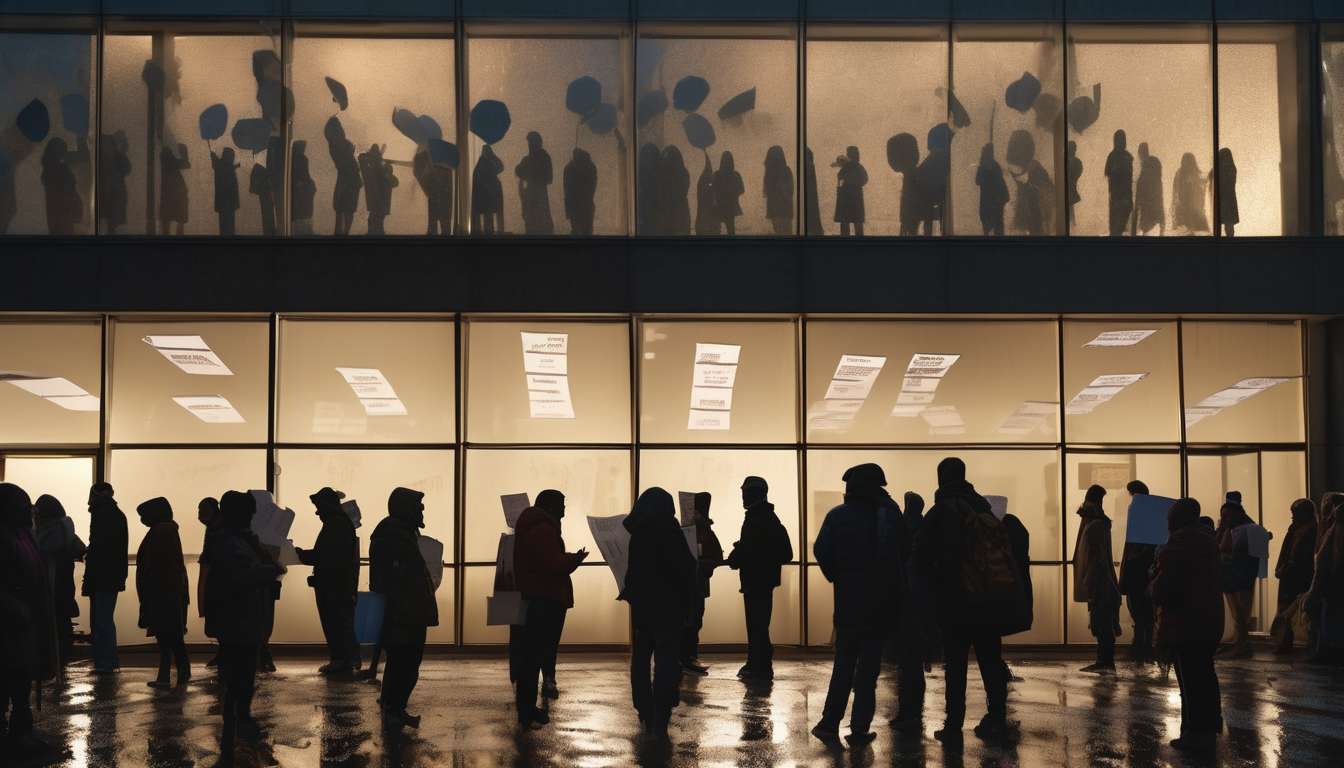
Every neighborhood’s book club and late-night diner share more influence over our city ordinances than we might assume.
We noticed this when a panel meant to revise exotic dancing regulations filled not only with policymakers and club owners but with teachers, parents, baristas and retirees — voices we hadn’t expected to steer policy.
As we listened, the discussion wove together concerns about safety, zoning, youth exposure and economic vitality.
This revealed that cultural values and everyday experiences inform regulatory choices as much as legal precedent.
We realized that community feedback doesn’t merely react to proposals; it reframes them, prompting compromises that reflect local priorities.
In this piece, we trace how those unexpected connections between ordinary citizens and specialized industries shaped the rules governing exotic dancing venues.
- We examine whose perspectives rose to the fore.
- We identify which fears were addressed.
- We analyze how municipalities translated diverse input into concrete regulations that balance rights, commerce and community standards.
Community Voices Mobilize
We organized town halls and collected dozens of testimonies so residents could directly shape how exotic dancing is regulated in our community.
We listened for common concerns and hopeful ideas, and we made sure community input drove every draft we considered.
By framing conversations around shared values, we created a space where neighbors and venue staff felt they belonged to the same effort to improve local life.
We focused on concrete policy areas:
- Zoning regulations that respect neighborhood character while preventing displacement.
- Transparent licensing processes.
- Clear standards that prioritize performer safety without stigmatizing work.
We weighed specific regulatory elements alongside practical safety measures:
- Hours of operation, clustering of venues, and buffer zones.
- Lighting, emergency access, and reporting protocols to protect workers and patrons alike.
Throughout, we centered mutual respect, aiming for rules that balance business viability and community well-being.
In doing this, we affirmed that inclusive, evidence-based input can produce regulations that reflect our collective priorities and keep everyone safer.
Who Speaks Up
Many residents, venue workers, business owners, and advocates stepped forward to share distinct perspectives on how exotic dancing should be regulated.
We listened as neighbors voiced concerns about neighborhood character and asked for transparent processes that welcome all voices.
We heard venue workers describe day-to-day realities and urge that community input not be reduced to token comments.
We met business owners who want predictable zoning regulations so they can operate responsibly and contribute to local life.
We gathered advocates who pushed for inclusive dialogue, reminding us that people who work in these venues are community members too.
We made space for younger and older residents, long-time neighbors, and newcomers, knowing belonging strengthens policy outcomes.
We emphasized that proposals should balance community standards with clear, enforceable rules, and we kept performer safety on the table without letting it dominate every exchange.
By centering respectful listening and concrete suggestions, we shaped a process that reflects our diverse community and yields practical, humane rules.
Key Safety Concerns
Immediate safety concerns require clear, enforceable measures and ongoing oversight.
We identified several immediate safety concerns — from harassment and assault to emergency response gaps — that require clear, enforceable measures and ongoing oversight.
Community input must shape practical policies.
We want every voice heard, so community input must shape practical policies that protect workers and patrons alike.
Standardized performer safety protocols.
- Well-lit backstage areas
- Reliable communication systems
- Trained security
- Easy access to medical aid
Transparent reporting and regular audits.
- Transparent incident reporting mechanisms
- Regular safety audits to ensure problems aren’t swept under the rug
Location debates must not undermine core protections.
While we respect differing views about venue placement, we won’t conflate location debate with core protections; zoning regulations should not undermine basic safety requirements or create loopholes that leave people vulnerable.
Mandatory training, clear policies, and confidential complaint channels.
- Mandatory safety training for staff and performers
- Clear anti-harassment policies
- Confidential complaint channels that build trust
Ongoing monitoring and community-driven refinement.
As a community, we’ll keep monitoring outcomes, using ongoing feedback to refine rules and enforcement so that, together, we create an environment where everyone feels seen, supported, and safer.
Zoning and Location Choices
We’ll balance neighborhood character, public safety, and business needs when deciding where exotic dancing venues can operate.
We will listen closely to community input to map zones that respect schools, residences, and commercial corridors while still allowing legitimate businesses to thrive.
We’ll use clear zoning regulations to set distances, hours, and permitted signage so expectations are predictable for owners, neighbors, and workers.
We’ll prioritize performer safety by locating venues in areas with reliable lighting, transit access, and nearby public services.
We’ll encourage clustering in appropriately zoned districts to concentrate resources like patrols and sanitation rather than scattering risks across neighborhoods.
We’ll create straightforward permitting paths so operators who follow rules can open without undue delay, and we’ll require safety plans that protect staff and patrons.
We’ll hold regular, accessible forums so residents, workers, and business owners can shape future adjustments.
We want everyone who participates to feel heard, respected, and part of solutions that keep our neighborhoods safe and welcoming.
Economic and Cultural Stakes
We’ll weigh the economic benefits these venues bring—jobs, tax revenue, and nightlife vitality—against cultural concerns about neighborhood identity and how public spaces are used.
We recognize that community input can shape whether clubs are seen as assets or intrusions, and we want everyone to feel heard in decisions that affect daily life.
We’ll look at how zoning regulations influence where businesses locate and how that location affects surrounding commerce, pedestrian activity, and residential comfort.
We also care about performer safety as a core part of the economic equation: safer workplaces retain talent, reduce liability, and foster respectful relationships with neighbors.
We’ll consider how revenue supports local services and how cultural impacts alter a neighborhood’s sense of belonging, without assuming one outcome fits every block.
By centering diverse voices, clarifying expectations for operators, and tying permits to safety and community standards, we can aim for outcomes that sustain livelihoods while honoring shared public space and neighborhood character.
Policy Trade-offs Explored
We’ll weigh the competing priorities—economic vitality, public order, and individual rights—to clarify the trade-offs policymakers face.
Community input pulls in different directions:
- Some want strict zoning regulations to protect neighborhoods.
- Others want fewer barriers so small businesses and performers can thrive.
- We’re committed to holding space for those perspectives, because belonging depends on being heard.
We must balance tangible harms and benefits.
- Tight zoning regulations may reduce late-night disturbances.
- Tight regulations can also push venues to the margins, affecting performer safety and economic opportunity.
- Looser rules can foster livelihoods and cultural expression, yet risk community complaints if public order isn’t addressed.
- We can’t optimize for every value simultaneously; trade-offs are inevitable.
By facing these choices together, we can design policies that reflect shared priorities:
- Protecting vulnerable workers.
- Respecting residents’ peace.
- Sustaining local economies.
We will keep open lines of community input as we refine approaches.
Translating Feedback to Law
We’ll convert the range of feedback into clear draft ordinances and enforcement guidelines that reflect shared priorities while addressing legal constraints.
We’ll map community input into specific provisions:
- Defining permitted hours.
- Establishing setback distances.
- Specifying licensing requirements.
We’ll draft rules that balance neighborhood character with economic vitality, making sure language is explicit to reduce ambiguity in application.
We’ll prioritize performer safety by including measures such as:
- Mandatory access to secure changing areas.
- Clear complaint procedures.
- Anti-harassment protocols.
- Ensuring compliance with labor and privacy laws.
We’ll propose enforcement pathways that are fair and transparent:
- Issuing warnings for initial or minor violations.
- Applying graduated penalties for repeat or serious infractions.
- Providing appeal mechanisms so affected parties can be heard.
We’ll circulate these drafts for review, inviting community members, performers, and venue operators to suggest targeted revisions.
We’ll refine language to reflect shared values and legal realities, producing ordinances that are enforceable, equitable, and rooted in the community’s collective input.
Lessons for Future Deliberation
Purpose: document what worked and what didn’t so future deliberations run more efficiently, more inclusively, and with clearer legal grounding.
What to record:
- Outreach tactics that brought in diverse voices.
- How meetings were scheduled and facilitated.
- Which meeting and feedback formats gathered the most useful community input.
- Instances where early legal advice avoided zoning/regulatory confusion.
- Instances where delayed legal counsel required preventable revisions.
Center lessons that protect dignity and promote belonging:
- Set predictable timelines.
- Provide accessible materials in multiple formats and languages.
- Offer safe channels for performers and neighbors to raise concerns about safety without fear.
Institutionalize practices to sustain improvements:
- Create feedback loops so contributors see how their input shaped outcomes.
- Codify neutral facilitation practices to reduce power imbalances.
- Produce a checklist tying proposed rules to statutory authority and equity impacts.
Expected outcomes:
- Deliberation treated as a repeatable craft.
- Increased trust and improved policy quality.
- Future rulemaking that honors both community input and legal clarity.
How do existing criminal justice statistics (e.g., arrests, convictions) related to exotic dancing compare across neighborhoods affected by proposed regulations?
We compared arrest and conviction rates for exotic dancing across neighborhoods and found higher enforcement in lower-income and predominantly minority areas.
Some districts show more arrests for public indecency and licensing violations, while wealthier areas report fewer charges despite similar numbers of venues.
These disparities suggest enforcement is uneven and potentially biased.
We advocate for transparent, equitable enforcement and data-driven policy.
We urge allocation of resources to address bias and to support affected workers and businesses.
What specific training, certification, or oversight mechanisms exist or are proposed for venue management and staff to prevent labor abuses and ensure performer rights?
Question: What training, certification, or oversight exist or are proposed to prevent labor abuse and protect performers’ rights?
Summary of proposals and measures:
Mandatory workplace rights training.
- Provide required training for all staff and performers on workplace rights, consent, contract terms, and safe working conditions.
- Include modules on legal rights, venue policies, and avenues for redress.
Licensed manager certification.
- Require managers and supervisors to hold a valid, periodically renewed certification demonstrating knowledge of labor law, performer protections, and safe workplace practices.
- Certification program includes coursework, testing, and continuing-education credits.
Regular compliance audits.
- Conduct scheduled and unannounced audits of venues and employers to verify adherence to labor, health, safety, and payroll rules.
- Use independent auditors or municipal inspectors with clear reporting requirements.
Confidential reporting channels.
- Maintain multiple secure, confidential ways to report abuse, wage theft, or policy violations (hotlines, online portals, third-party advocates).
- Ensure reports trigger prompt, impartial investigations and protect reporters from retaliation.
Supportive trainings and bystander intervention.
- Implement anti-harassment training, bystander intervention programs, and de-escalation training for all staff.
- Offer payroll transparency training so performers understand payment schedules, deductions, and dispute processes.
Union collaboration and municipal oversight with clear penalties.
- Coordinate with unions and worker organizations to develop standards, support collective bargaining, and provide representation.
- Empower municipal regulators to enforce standards, levy fines, suspend licenses, or pursue criminal charges where appropriate.
Ongoing review and performer-led input.
- Commit to periodic review of policies and programs with direct input from performers and worker representatives.
- Use feedback loops, surveys, and advisory committees led by performers to keep protections effective and relevant.
Accessible resources for legal and health support.
- Provide easily accessible information and referral services for legal aid, sexual-health care, mental-health services, and emergency assistance.
- Ensure materials are available in multiple languages and formats.
If you’d like, I can draft language for a certification curriculum, a model audit checklist, sample confidentiality/reporting procedures, or an ordinance to implement municipal oversight. Which would be most useful?
How will the regulations address digital and online forms of exotic performance (e.g., webcam shows, social media promotion) that fall outside traditional zoning and licensing frameworks?
Clarify that regulations must cover digital performances by defining platform responsibilities, requiring age and identity verification, and ensuring transparent contract and payment practices.
Define platform responsibilities:
- Platforms must be explicitly designated as responsible parties for content moderation, enforcement of labor rules, and ensuring safe working conditions for performers.
- Platforms should implement clear terms of service that align with labor and safety regulations and provide publicly accessible policies.
Require age and identity verification:
- Robust verification systems must be in place to prevent minors from performing and to confirm the legal status of performers.
- Verification procedures should balance safety with privacy protections and minimize unnecessary retention of sensitive data.
Ensure transparent contract and payment practices:
- Contracts between performers and platforms (or third-party agents) must be transparent, in plain language, and disclosed before engagement.
- Payment systems must be auditable, with clear fee structures, payout timelines, and mechanisms to resolve disputes over earnings.
Push for collaboration with platforms to enforce content and labor rules, extend performer protections like anti-harassment and tipping transparency online, and create complaint and enforcement pathways beyond zoning.
Collaborate with platforms on enforcement:
- Regulators and industry groups should work with platforms to develop enforceable standards and reporting mechanisms.
- Shared resources (e.g., databases of repeat offenders, best-practice toolkits) can improve compliance across services.
Extend performer protections online:
- Anti-harassment protections must apply to digital interactions, with reporting, takedown, and remediation processes tailored to online contexts.
- Tipping and monetization practices must be transparent, including clear fee disclosures and fair split agreements between platforms and performers.
Create complaint and enforcement pathways beyond zoning:
- Build accessible complaint channels that do not rely on local zoning authorities and ensure timely investigations and remedies.
- Enforcement options should include civil penalties, platform account sanctions, and restitution mechanisms for harmed performers.
Center performer consent, privacy, and economic rights while building accessible support and education.
Center consent, privacy, and economic rights:
- Consent must be explicit, revocable, and documented for all digital performances and uses of recorded content.
- Privacy safeguards should limit data collection, provide secure storage, and grant performers control over distribution and deletion.
- Economic rights must include clear ownership/licensing terms, protections against exploitative contracts, and avenues for collective bargaining or representation.
Build accessible support and education:
- Fund and provide accessible resources on legal rights, contract literacy, safety practices, and digital privacy for performers.
- Establish hotlines, legal aid, and community-based support networks to assist performers in disputes and safety incidents.
Overall goal: ensure digital performance regulations protect performers’ safety, rights, and income by holding platforms accountable, enforcing transparent practices, and providing clear, accessible support and enforcement routes.
Conclusion
Community input shaped balanced rules.
You’ve seen how neighbors, dancers, business owners and officials brought varied perspectives to the table, shaping rules that balance safety, rights and economic interests.
Zoning, hours and licensing embody trade-offs.
You know zoning, hours and licensing reflect trade-offs between community character and livelihoods.
Turning comments into enforceable policy required process.
Moving from comments to clear, enforceable policies took compromise, transparency and ongoing review.
Keep engaging for better future deliberations.
- Listen and stay involved.
- Insist on data to guide decisions.
- Ensure regulations adapt as needs and norms evolve.