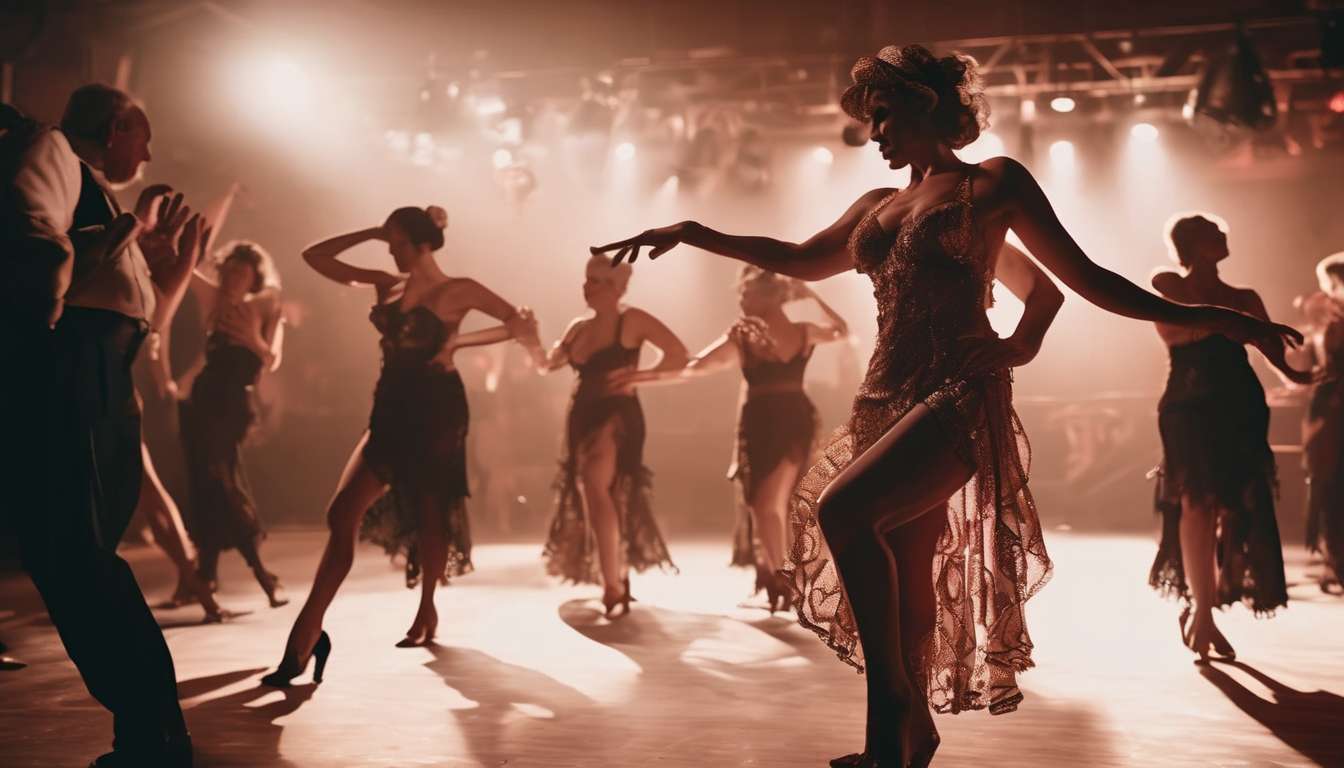
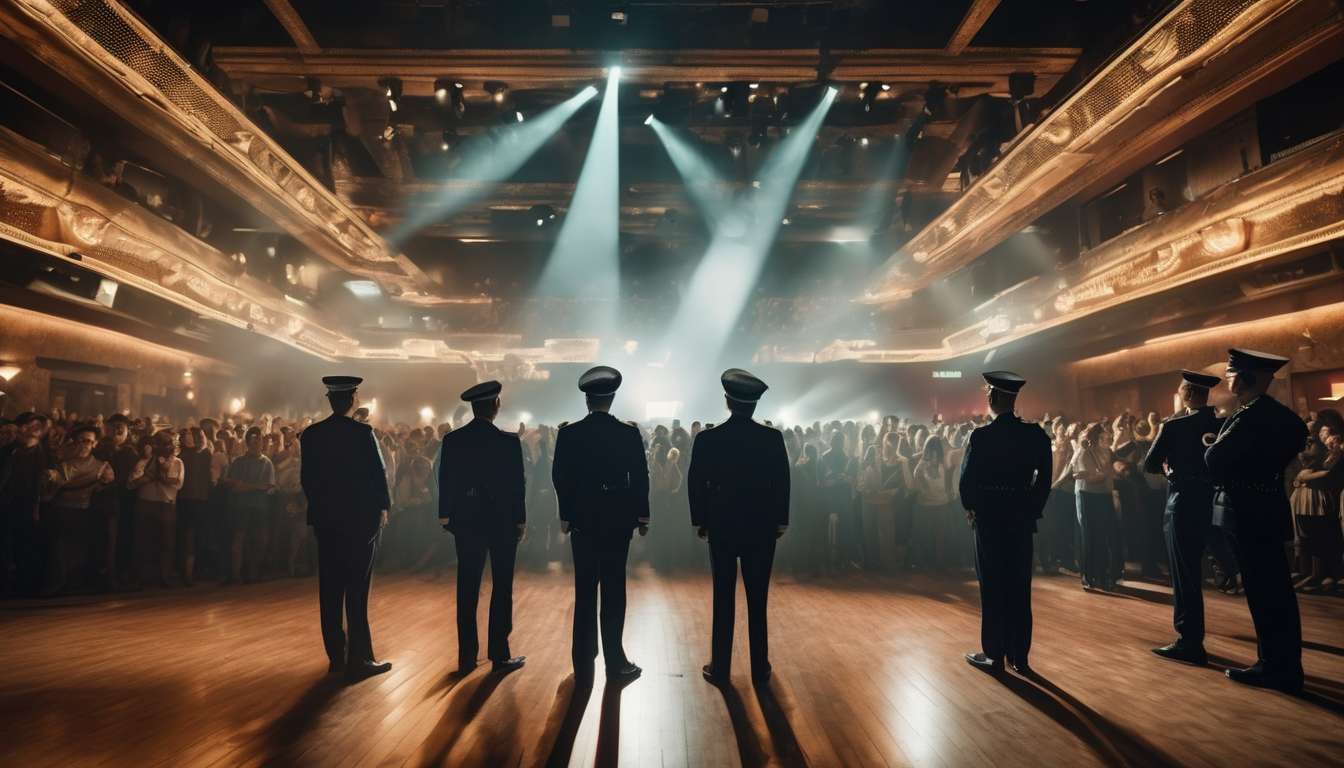
Once, midway through a packed Saturday night, we watched a small argument at the bar coolly de-escalate as uniformed team members guided the two patrons outside, checked on them, and returned to the crowd without disrupting the music.
That moment crystallized what we aim to explore: how security teams quietly shape safer dance venue operations.
We will trace routines that blend vigilance with hospitality, from pre-shift briefings and crowd-flow strategies to discreet interventions and coordinated emergency responses.
Through interviews with venue managers, security leads, and frontline staff, we unpack training practices, communication protocols, and the design choices that prevent harm before it happens.
We also examine challenges — understaffing, mixed expectations from guests, and the balance between deterrence and welcome — and offer practical steps venues can adopt.
Our purpose is to highlight how thoughtful, people-centered security not only protects but enhances the vibrancy of nightlife.
Pre-shift Briefings
Pre-shift briefings are held before every event so the team clearly understands roles, crowd risks, communication protocols, and any specific threats to watch for.
We gather as a crew to align on venue security priorities.
- Share concise updates about layout changes, exits, and any known concerns for the night.
Positions are assigned clearly.
- Who is monitoring the floor.
- Who is liaising with management.
- Who is handling incident logging.
We review crowd management strategies and refresh de-escalation techniques to keep people safe while preserving the atmosphere.
We encourage questions and confirm communications and backup plans.
- Check radios.
- Verify backup plans and escalation paths.
- Ensure every member feels supported and confident in their role.
New team members are acknowledged and paired with mentors.
- Emphasize mutual accountability so everyone belongs and contributes.
We finish by stating our goals and committing to early communication if conditions change.
- Aim for a smooth, respectful event.
- Commit to acting as a unified, prepared security team.
Door and ID Protocols
Door & ID protocols
We enforce clear door and ID protocols at every entry point so we only admit patrons who meet age and safety requirements.
Training & conduct for door teams
We train our door teams to:
- Check IDs consistently
- Use scanners when appropriate
- Communicate policies kindly so guests feel respected and included.
Fairness & transparency
Our approach to venue security focuses on fairness:
- Explain reasons for refusals
- Offer alternative solutions
- Keep records to prevent disputes.
Coordination & discreet flagging
We coordinate with bar and floor staff to ensure known-risk patrons are flagged discreetly, supporting overall crowd management without singling people out.
Conflict resolution & de-escalation
When conflicts arise at the door, we rely on de-escalation techniques:
- Calm tone
- Active listening
- Clear boundariesto resolve situations quickly and preserve the night’s atmosphere.
Staff wellbeing & continuous improvement
We rotate door staff to prevent fatigue, conduct regular audits of ID checks, and review incidents to refine procedures.
Overall goal
By combining consistent protocols with compassionate interactions, we build trust, keep entry points safe, and help everyone feel like they belong while maintaining a secure venue.
Crowd Flow Management
We design clear entryways, pathways, and queuing systems so people move smoothly, safely, and without bottlenecks.
We map foot traffic before events and place signage and staff at decision points so guests feel guided, welcomed, and seen.
Our venue security team uses unobtrusive barriers and sightlines to prevent crossflows that cause congestion, and we stagger entry times for different ticket types to reduce rushes.
We coordinate with bar and restroom locations to balance patron distribution across the floor.
We monitor density with cameras and floor teams to redirect flow before problems arise.
Our crowd management approach emphasizes predictable movement patterns and consistent communication, including:
- calm announcements
- visible staff
- clear exits
We train staff in basic de-escalation techniques to defuse tensions related to crowding without escalating situations.
By prioritizing accessibility, clear information, and cooperative staff presence, we create a shared environment where attendees can relax, connect, and enjoy the night safely.
De-escalation Techniques
We teach staff practical, nonconfrontational methods to calm heated interactions before they escalate.
We model verbal strategies — soft tone, concise phrasing, and open questions — that let patrons feel heard without rewarding aggression.
We use role-play with clear cues so team members can read body language, create safe distance, and offer simple choices that restore agency.
Our approach ties directly into venue security goals: reducing incidents, preserving atmosphere, and keeping everyone included.
We emphasize brief interventions that align with crowd management plans.
- staged repositioning to diffuse pressure points
- guiding groups toward lower-tension areas
We practice respectful exits and team handoffs when situations need more support, ensuring interventions stay proportional and nondiscriminatory.
By prioritizing empathy, consistency, and shared responsibility, we build a culture where staff and patrons trust that safety is maintained with dignity, not force — reinforcing belonging across the whole venue.
Staff Communication Systems
We equip staff with clear, reliable communication systems — radios, discreet signaling, and encrypted apps — so teams can coordinate responses quickly and keep patrons safe.
We make sure every team member feels included in using those tools; shared protocols and regular check-ins build trust and a sense of belonging.
For venue security, having a common language for incidents reduces confusion and speeds appropriate action.
We design channels to support crowd management without escalating tensions:
- Low-visibility signals to redirect flow
- Timed radio updates to prevent bottlenecks
- Group chats for situational awareness
We train everyone in concise reporting so information is actionable:
- Who
- What
- Where
- Urgency
We integrate reminders about de-escalation techniques into communications, prompting gentle interventions and backup requests when needed.
We standardize message formats, maintain equipment, and rotate responsibilities to keep communication reliable and inclusive.
That consistency helps staff act confidently together, creating a safer, welcoming environment for colleagues and patrons alike.
Emergency Response Coordination
We coordinate emergency responses with clear roles, predefined protocols, and practiced drills so everyone knows exactly what to do when minutes count.
We build a shared plan that ties venue security to local emergency services, ensuring seamless handoffs and a united front.
In the moment, we prioritize calm, confident communication so patrons feel seen and supported rather than isolated.
Our emergency playbook outlines evacuation routes, staging areas, and on-site incident command responsibilities.
- It emphasizes crowd management strategies that protect both mobility and dignity.
- It uses tiered responses so small disturbances are resolved quickly with minimal disruption, while serious incidents trigger broader resource mobilization.
- It specifies proven de-escalation techniques that restore safety without escalating conflict, keeping the atmosphere inclusive and respectful.
We check and adapt protocols after every incident, inviting feedback from staff and community members so our approach remains relevant and rooted in collective trust.
This continuous loop keeps our venue secure and welcoming for everyone.
Training and Skill Development
Regular hands-on training and scenario drills.
We train our teams regularly with hands-on exercises, scenario-based drills, and refresher courses so skills stay sharp and responses stay consistent.
Shared playbook and practiced crowd management.
We build a shared playbook that reflects our venue security policies and values, and we practice crowd management routines until they’re second nature.
Role rotation to strengthen understanding and accountability.
We rotate roles so everyone understands entry screening, floor presence, and incident handoff, which strengthens trust and accountability.
Practical de-escalation grounded in respect and cultural awareness.
We focus on practical de-escalation techniques grounded in respectful communication, cultural awareness, and clear boundaries.
Role-play, candid review, and realistic assessments.
- We use role-play to rehearse language, body positioning, and timing, then review actions candidly so learning sticks.
- We measure competence with realistic assessments and mentorship, not just checklists.
- We celebrate progress to reinforce belonging.
Cross-training with venue staff for a common safety language.
We also cross-train with bar, box office, and production staff so everyone speaks the same safety language.
Commitment to continuous, inclusive training.
By prioritizing continuous, inclusive training, we ensure our team stays capable, connected, and confident in protecting patrons while preserving the welcoming atmosphere we all value.
Design for Safety and Comfort
We design spaces so patrons feel both safe and comfortable.
Balancing clear sightlines, well-lit pathways, and thoughtful layouts reduces congestion without breaking the vibe.
We place entrances, exits, and service points to promote natural flow.
This lets guests move together while still finding personal space.
We choose furniture, signage, and barriers to support security while keeping the atmosphere welcoming.
We integrate crowd management plans into the physical design.
- Queuing zones and sightlines let staff spot problems early.
- Designated guidance areas help staff direct people calmly.
We use layered lighting to preserve mood while highlighting critical elements.
- Stairs, exits, and first-aid stations are clearly illuminated.
- Ambient lighting maintains the venue’s atmosphere.
We ensure staff stations are visible and approachable.
This signals that help is nearby and encourages guests to seek assistance promptly.
We coordinate design with training so de-escalation techniques work in context.
- Pathways allow safe retreats for staff and patrons.
- Discreet but accessible rooms provide space for cooling-off.
By designing for safety and comfort, we create inclusive spaces.
Everyone feels seen, respected, and free to enjoy the music together.
How do security teams handle patrons who are on prescribed medications or have medical conditions that could affect behavior or responsiveness?
Purpose: We consider how to respond when patrons take prescribed medications or have medical conditions that affect behavior or responsiveness.
Calm, respectful approach:
- Ask questions calmly and clearly.
- Respect the patron’s privacy and dignity.
- Include the patron in decisions whenever they are able to participate.
Look for medical information:
- Check for medical alert bracelets, cards, or other identification.
- Ask if they have medications or conditions staff should know about.
De-escalation and safety measures:
- De-escalate verbally and give the patron space if appropriate.
- Summon medical staff or EMS when the situation indicates a medical emergency or if staff are unsure how to proceed.
Documentation and notification:
- Document incidents promptly and accurately.
- Notify management according to policy.
- Follow confidentiality rules when recording and sharing information.
Nonassumptive stance:
- Do not assume impairment from medications alone; consider medical conditions and context.
What measures are taken to protect the privacy and personal data of attendees (e.g., ID scans, surveillance footage, incident reports)?
Privacy-first handling of attendee data.
We limit what we collect. We only collect IDs, footage, and reports when necessary for safety, access control, or legal reasons.
We protect data at rest and in use. Collected data is stored encrypted and access is restricted to trained staff.
We minimize retention. Records are deleted or anonymized after defined retention periods.
We obtain consent and provide transparency.
- We get consent where feasible.
- We use clear signage and written policies to inform attendees.
We offer choices and controls.
- Where possible, we provide opt-outs or alternatives for individuals who do not wish to be recorded or have data retained.
We monitor and audit access.
- Access logs are regularly audited to detect unauthorized use.
We respond promptly to incidents and requests.
- We handle data subject requests (access, correction, deletion) quickly.
- We respond rapidly to breaches and other incidents to protect community trust.
How are cultural differences and language barriers accommodated when interacting with diverse crowds and international visitors?
We accommodate cultural differences and language barriers through staff training and practical tools.
Train staff in cultural sensitivity.
Teach awareness of cultural norms, greetings, gestures, and taboos.
Provide scenario-based role plays and refresher sessions.
Emphasize avoiding assumptions and encouraging respectful curiosity.
Provide multilingual resources.
Use multilingual signage for directions, policies, and safety information.
Offer basic language cards or phrasebooks with common phrases (greetings, directions, emergency phrases).
Make translated printed materials and website content available where practical.
Use interpretation and translation technology.
Employ professional interpreters for scheduled events or high-stakes interactions.
Use on-demand phone/video interpretation services for ad-hoc needs.
Leverage translation apps and devices for low-risk, quick exchanges—while verifying critical information through human interpreters when accuracy matters.
Adopt inclusive policies and practices.
Create clear, written policies that promote accessibility and respect for cultural differences.
Train staff to ask open, non-assumptive questions and to offer alternatives when customs or needs differ.
Ensure physical spaces and schedules consider religious observances and cultural practices when feasible.
Solicit and act on community feedback.
Invite input from diverse communities through surveys, focus groups, and community liaisons.
Regularly review feedback to adjust signage, language offerings, training, and policies.
Communicate improvements back to communities to build trust and demonstrate responsiveness.
Overall goal: ensure everyone feels welcome and understood by combining training, multilingual tools, interpreters or technology, inclusive policies, and continuous community-driven improvement.
Conclusion
You play a crucial role in making dance venues safer by following clear pre-shift briefings, consistent door and ID checks, and smart crowd-flow practices.
Pre-shift briefings
- Review roles, responsibilities, and expected behaviors before each shift.
- Confirm emergency procedures, evacuation routes, and radio channels.
- Highlight any specific risks for the night (capacity limits, special events, VIPs).
Door and ID checks
- Consistently enforce age and ID policies at entry points.
- Use a clear, uniform process for refusals to avoid disputes.
- Maintain a visible but respectful stance to reduce confrontations.
Smart crowd-flow practices
- Monitor entrances, exits, and high-density areas to prevent bottlenecks.
- Position staff to guide movement and manage queues.
- Use barriers, signage, and lighting to direct safe movement.
Use de-escalation techniques
- Prioritize calm, non-confrontational language and body posture.
- Offer choices and clear consequences rather than threats.
- Know when to disengage and call for backup if a situation escalates.
Keep communication systems reliable
- Test radios and backup systems before doors open.
- Maintain a simple, shared language for common incidents.
- Log incidents promptly so information is preserved and actionable.
Coordinate emergency responses quickly
- Assign clear incident leads and duties in emergencies.
- Communicate evacuation instructions calmly to patrons and staff.
- Liaise with emergency services and provide accurate, concise information.
Invest in ongoing training
- Schedule regular refreshers on first aid, crowd management, and de-escalation.
- Run realistic drills so staff can practice roles under stress.
- Encourage feedback and after-action reviews to improve procedures.
Design spaces for both safety and comfort
- Balance capacity, sightlines, and circulation to reduce risk.
- Ensure exits are well marked and unobstructed.
- Provide well-lit, accessible routes and rest areas for patrons.
When everyone—staff and patrons alike—stays informed and prepared, the night runs smoother, risks shrink, and people can focus on enjoying the music.